
Why Screening Strategy Matters
When people evaluate a commercial property, they rarely start on the roof. Yet rooftop mechanical equipment often shapes first impressions of surrounding buildings. Over time, cities tightened visual standards, and tenants began expecting cleaner architectural lines. As a result, rooftop equipment screens moved from optional upgrades to strategic design elements.
Many owners initially focus on concealment alone. However, experience shows that performance, durability, and compliance carry equal weight. In some cases, poorly planned screening creates airflow restrictions or structural strain. Thoughtful planning avoids those issues and protects long-term asset value.
You might notice that well designed commercial buildings feel cohesive from every angle. That consistency rarely happens by accident. It reflects deliberate coordination between architects, engineers, and contractors who understand how rooftop equipment screens influence both perception and performance.
What Is a Rooftop Equipment Screen?
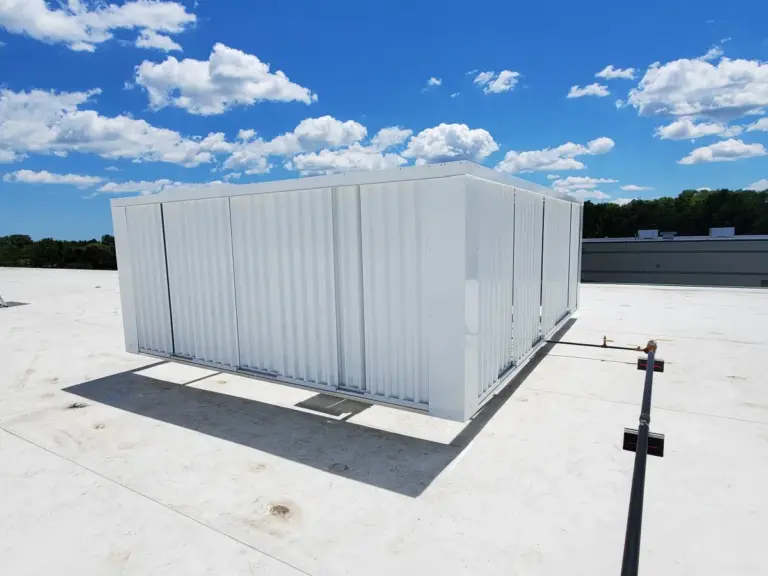
A rooftop equipment screen is a structural system that surrounds mechanical units on a roof. Designers use it to block direct sightlines from streets, neighboring properties, or adjacent high-rise buildings. At the same time, the structure allows ventilation so HVAC systems can function correctly.
Unlike simple fencing, a mechanical roof screen integrates with the building envelope. It connects to structural framing and respects wind load requirements. Because of that integration, the screen becomes part of the architectural identity rather than an afterthought.
Most systems use panels, louvers, or perforated materials. Each approach balances visibility control and airflow. The right choice depends on climate, equipment type, and local regulations.
The Strategic Role of Rooftop Equipment Screens in Commercial Design
From a marketing perspective, visual consistency supports brand positioning. Clean rooflines communicate order and professionalism. For office, healthcare, retail, and multifamily assets, that impression influences how prospects perceive quality.
Many municipalities now require roof screening as part of zoning approval. Developers who plan early avoid redesign costs later. In practice, rooftop equipment screens often streamline permitting because they demonstrate proactive compliance.
Protection also plays a practical role. High winds, debris, and unauthorized access can damage exposed equipment. When screening integrates properly with structural supports, it reduces those risks and may extend system lifespan. Over time, that protection offsets part of the installation investment.
Types of Rooftop Equipment Screens
Choosing a system involves more than selecting a panel style. Airflow, wind resistance, maintenance expectations, and aesthetics all shape the decision.
Louvered Systems
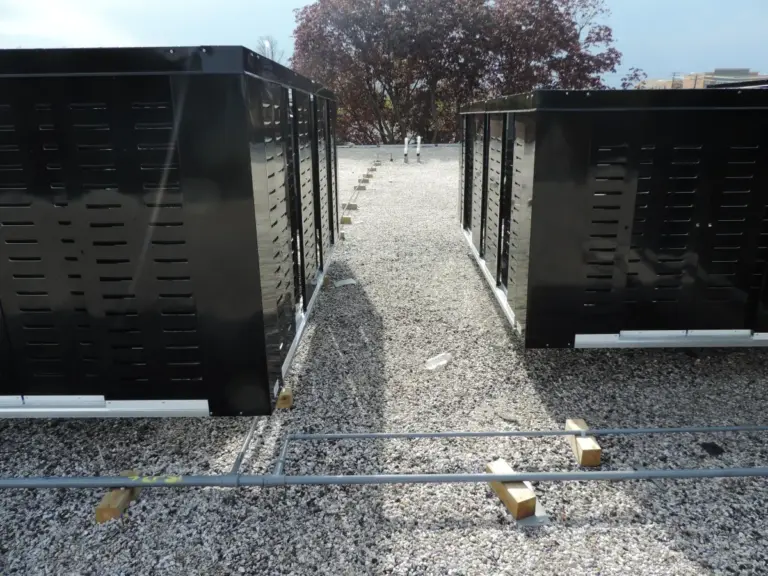
Louvered equipment screens use angled slats that permit continuous airflow. This configuration works well for large HVAC units that require steady ventilation. Because louvers deflect wind, they also help manage pressure around rooftop systems.
Architects often specify aluminum for its lighter weight and corrosion resistance. Steel options provide additional strength in high wind regions. Many clients find that louvered designs strike a reliable balance between function and appearance. Reviewing screening system options early in design discussions often clarifies which configuration best fits structural and aesthetic priorities.
Solid Panel Systems
Solid panels fully conceal mechanical equipment. Designers select this option when visual uniformity matters most. In some cases, solid surfaces also contribute to minor noise reduction.
However, solid systems create greater wind resistance. Engineers must account for additional structural support. Without proper reinforcement, uplift forces can compromise performance. Evaluating mounting configuration differences can help teams anticipate load distribution and attachment requirements.
Perforated Metal Systems
Perforated panels combine airflow with partial visibility control. Small openings allow ventilation while softening direct views of equipment. This style often complements modern commercial architecture.
Customization remains a key advantage. Manufacturers can adjust hole patterns and finishes to align with branding or facade materials. Studying completed project examples often reveals how subtle pattern variations influence overall perception. For projects that prioritize both performance and aesthetics, perforated screens often feel like a practical compromise.
Custom Architectural Extensions
Some projects incorporate screening into parapet extensions or facade elements. Rather than adding a separate structure, architects integrate roof screening into the building profile. That approach requires careful structural planning but can elevate overall design cohesion.
Although custom fabrication increases upfront cost, it often enhances long term asset positioning. In competitive leasing markets, subtle architectural refinement can influence perception more than owners expect.
Innovation and Acoustical Solutions
Noise control has become a growing concern in dense commercial environments. Mechanical equipment such as chillers and rooftop units can generate sound levels that affect nearby offices, residential buildings, or pedestrian areas. In some cases, visual screening alone does not address the full scope of performance expectations.
North American Enclosures, in partnership with Spinnaker Industries, continues developing integrated solutions that respond to these evolving demands. Evolving performance standards often influence broader trends in advanced screening solutions that support durability and acoustic integration in demanding environments. One recent advancement includes acoustical panels that integrate with existing screening systems. Rather than replacing structural components, these panels work within established frameworks.
When properly specified, acoustical configurations can reduce sound levels by up to 30 dBA. That reduction can improve occupant comfort and help support compliance with local noise ordinances. At the same time, these panels maintain airflow and structural integrity.
For properties located near residential zones or noise sensitive facilities, acoustical tampering options may provide measurable value. Owners often discover that early integration during design produces cleaner results than retrofitting later. Careful coordination ensures that performance improvements do not compromise aesthetics or equipment efficiency. Ongoing research reflected in emerging acoustical options continues to influence how integrated panels and structural components perform over time.
Design Planning for Rooftop Equipment Screens
Effective planning begins before equipment placement. Coordination between mechanical and structural teams prevents late-stage adjustments.
Wind Load and Structural Support
Wind pressure increases with building height. Engineers must calculate loads based on geographic location and exposure category. Anchoring systems should connect to structural framing rather than only roof membranes.
Improper attachment creates long term risk. Reviewing attachment method comparisons during planning helps reduce uncertainty before fabrication begins. What seems secure during installation may shift under extreme weather. Careful detailing reduces uncertainty.
Ventilation and Equipment Performance
Mechanical units require consistent airflow. If panels restrict circulation, energy consumption may rise. Designers often test spacing and louver angles to preserve performance.
It often feels tempting to maximize concealment. Yet airflow should guide decisions first. Visual consistency loses value if mechanical systems struggle to operate efficiently.
Aesthetic Alignment
Color, texture, and proportion influence perception. Screening that matches facade elements feels intentional. In contrast, mismatched panels can draw attention rather than reduce it.
Many clients find that subtle coordination makes the most impact. Neutral tones and clean lines usually age better than bold contrasts.
Installation and Coordination
Installation demands precision and sequencing. Contractors typically confirm structural supports before fabrication finalizes dimensions. Clear communication between trades reduces costly rework. Early reference to technical specifications keeps expectations aligned across engineering and installation teams.
During installation, crews secure frames and panels according to engineering specifications. Safety protocols remain essential, especially on high rise properties. Inspectors then review compliance with local building codes.
When teams coordinate early, the process tends to move smoothly. Delays often stem from late design revisions rather than fabrication challenges.
Cost Factors and Budget Expectations
Several variables shape pricing. Material choice influences fabrication cost. Height and total linear footage also affect budget planning.
Custom architectural integration increases design complexity. Crane access or limited roof space may raise labor expenses. In some cases, early coordination reduces these added costs.
Owners evaluating return on investment often consider lifecycle value. Durable systems may require higher upfront spending but reduce maintenance and replacement frequency.
Compliance and Regulatory Considerations
Local jurisdictions frequently regulate rooftop visibility. Height limits, sightline requirements, and wind standards vary by region. Early consultation with planning authorities prevents approval delays.
Failure to comply can postpone occupancy permits. Retrofits typically cost more than proactive installation. Thoughtful screening strategies support smoother development timelines.
Maintenance and Long-Term Performance
Routine inspections preserve structural integrity. Building managers should check fasteners, panel alignment, and surface coatings. Minor issues addressed early rarely escalate.
Cleaning debris from around panels supports airflow and reduces strain on mounting systems. Steel components may require periodic coating evaluation. Aluminum generally requires less frequent attention.
Over time, consistent maintenance protects both screening structures and mechanical equipment.
Frequently Asked Questions
Are rooftop equipment screens required on commercial buildings?
Many municipalities require screening to block visibility from public areas. Requirements depend on local zoning and building codes.
What material lasts longest for roof screening?
Durability depends on climate and installation quality. Aluminum performs well in corrosive environments, while steel offers strength in high wind zones.
Do equipment screens affect HVAC efficiency?
They can if airflow becomes restricted. Proper design maintains ventilation while reducing
How long do mechanical roof screens typically last?
With proper installation and maintenance, systems often last decades. Lifecycle depends on material, exposure, and upkeep practices.
Making the Right Decision for Your Property
Selecting the right approach requires balancing aesthetics, performance, compliance, and budget. Each property presents unique constraints. What works for a suburban retail center may not suit a downtown office tower.
When owners evaluate options carefully, they reduce risk and strengthen long term value. Screening should support architectural intent without compromising mechanical efficiency. In many cases, collaboration across disciplines produces the strongest outcome.
If you are planning a new development or upgrading an existing asset, consider how rooftop equipment screens align with your broader property strategy. In more complex situations, a brief project coordination consultation can clarify structural and design questions before commitments are finalized. A thoughtful decision today can protect both appearance and performance for years to come.