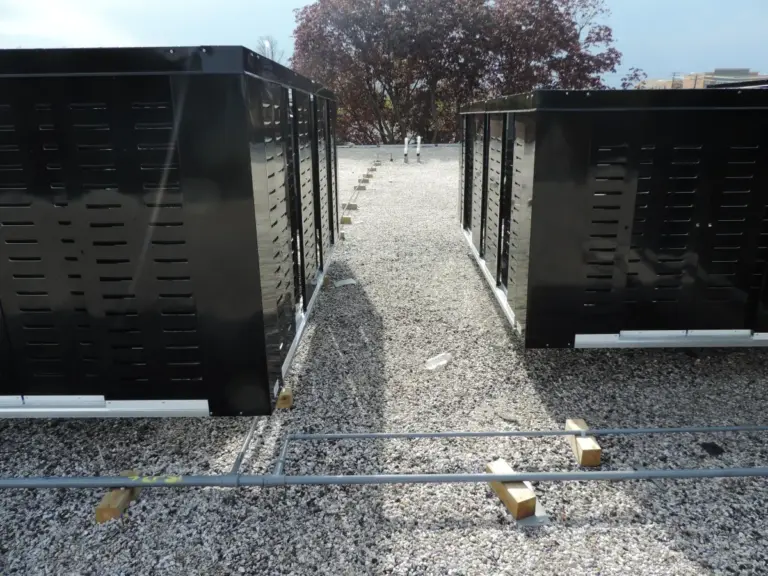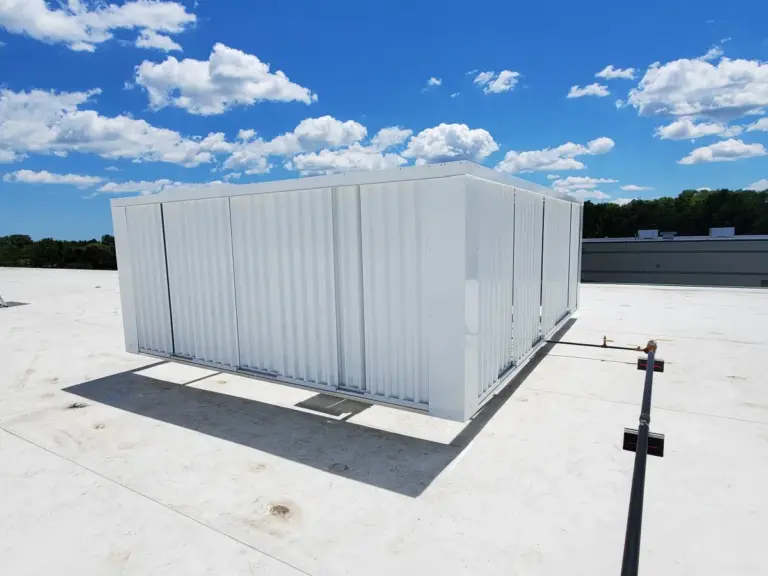

The Shift from Installation to Ownership
If you have been around enough projects, you know the conversation changes the moment installation wraps up. During design and construction, most decisions revolve around coordination, cost, and getting the system in place. Once the project turns over, priorities shift quickly toward long-term performance.
From our experience, building owners do not evaluate rooftop screens the way project teams do. They often compare them against broader equipment screening approaches, including mechanical equipment enclosures and hvac enclosures, based on how each option performs over time. They’re not thinking about coordination challenges or install timelines. They are focused on what they are left managing every day.
That usually comes down to a few things. Can their team access equipment without slowing down service? Will the system hold up through weather and exposure? Does it still look consistent after a few seasons? And when something goes wrong, how disruptive and expensive is it to fix?
In simple terms, rooftop screens stop being a construction detail and become an operational responsibility. Reviewing different system types early often determines how those responsibilities play out later.
Top Concerns from Building Owners
Maintenance Access
What stands out almost immediately is how often access becomes the first real issue. A system that looked clean during construction can become frustrating if it slows down routine service.
Owners rely on maintenance teams to keep rooftop units running. In many cases, rooftop screens and other equipment screening solutions like equipment screen walls are expected to support routine access without slowing down service. If panels are difficult to remove, if access points are limited, or if clearances feel tight, those small inefficiencies compound over time. In some cases, tight spacing can also interfere with proper airflow around rooftop units, which can affect how equipment performs over time.
We see this most often when access was treated as secondary to concealment or when system selection did not fully account for how the equipment would be serviced. The way a system is mounted, whether it attaches directly to the unit or relies on structural supports, plays a significant role in how accessible that equipment remains over time. In some layouts, unit-mounted screening systems can help maintain access while still meeting screening requirements. When that balance is missed, maintenance becomes harder than it needs to be.
Long-Term Durability
Durability becomes more visible after turnover than during installation. Materials that look consistent on day one do not always age the same way under real rooftop conditions.
Exposure to sun, moisture, and temperature variation can affect finishes and structural components. Over time, that shows up as fading, surface breakdown, or uneven wear.
From an owner’s perspective, the issue is consistency. Whether using rooftop screens or mechanical equipment enclosures, owners expect systems to maintain both performance and appearance without constant intervention. Systems should maintain both performance and appearance without constant intervention. That consistency often depends on whether the system was designed around equipment requirements from the beginning, including airflow clearances and service access. That usually ties back to clearly defined engineering requirements early in the project.
Appearance Over Time
Even when systems perform functionally, appearance still matters. This applies across rooftop screens, hvac enclosures, and other forms of equipment screening that remain visible from surrounding buildings. Rooftop screens are often visible from adjacent buildings, upper floors, or elevated viewpoints. In many areas, this visibility is not just a design concern but a requirement tied to zoning or line-of-sight regulations.
As panels age, inconsistencies become noticeable. What initially blended into the building can start to stand out. Looking at real-world installations over time shows how these changes actually present.
Owners tend to notice this quickly because it affects how the building is perceived, especially in tenant-facing or high-visibility properties.
Cost of Repairs
Repair costs are rarely a focus during installation, but they become one of the most important factors during ownership. This is true whether the system involves rooftop screens, mechanical equipment enclosures, or other equipment screening configurations.
If panels are difficult to access, if components require specialized labor, or if finishes require frequent touch-ups, those costs accumulate. The way systems are attached to the roof or equipment can also influence whether repairs require coordination with roofing systems or additional trades. In some cases, attachment methods and roof penetrations can also impact how repairs are handled and whether additional coordination with roofing systems is required. Even small repairs can become more involved than expected depending on how the system was designed.
Over time, rooftop screens either reduce operational friction or create ongoing expense. That outcome is usually determined before installation ever begins.
Where Projects Fail Owners
Poor Material Choices
One of the most common issues we see is material selection that performs well initially but does not hold up under real conditions. This is often tied to early decisions around system selection, material specification, and how the screening is detailed and installed. In some cases, broader decisions around the architectural screening manufacturer also influence how systems perform over time.
Over time, this shows up as fading finishes, corrosion, or uneven wear across panels. These issues may not appear immediately, but they become more visible as exposure accumulates.
Once deterioration starts, owners are left managing repairs or replacements sooner than expected.
Difficult Access Design
Access challenges are one of the most consistent complaints after installation. This issue shows up across rooftop screens, hvac screen walls, and other equipment screen walls when access is not designed correctly. Systems that require extra steps to open, remove, or work around slow down maintenance operations.
In larger layouts, post-mounted systems can sometimes improve access across multiple units, especially when equipment needs to be grouped within a single screening layout. When access is not considered early, service time increases and costs follow.
This usually does not come from a single mistake. It comes from decisions that did not fully account for how the system would be used long-term.
Corrosion and Wear
Rooftop environments are demanding. Rooftop screens, hvac enclosures, and mechanical equipment enclosures all face the same exposure conditions, which makes material and system design critical. Exposure to wind, moisture, and temperature variation accelerates wear on materials and finishes. On more exposed buildings, wind forces can also affect how screening systems perform if they are not properly designed for those conditions.
Once corrosion or surface breakdown begins, it tends to spread. In many cases, this is influenced by how well the system was designed to handle exposure, including panel type, coating, and overall system detailing. In certain configurations, curb-mounted systems can help address how equipment and screening interact.
Owners notice these issues quickly because they impact both performance and appearance.
Designing Rooftop Screens with Ownership in Mind
The projects that hold up best are the ones where long-term use is considered early. Whether the project uses rooftop screens or more enclosed systems like mechanical equipment enclosures, long-term performance depends on early decisions. In our experience, this usually comes down to treating rooftop screens as engineered systems rather than simple add-ons. That means thinking beyond installation and focusing on how rooftop screens will perform over time. It also means understanding how those systems interact with roofing assemblies, structural support, and equipment requirements.
Durable Materials
We have seen projects where material decisions looked fine on paper but created problems later. The difference usually comes down to how materials respond to exposure, not how they look initially.
Choosing materials that hold up under real conditions reduces the frequency of repairs and extends the life of the system.
Smart Access Points
Access should feel intentional. Panels should open, slide, or remove in a way that supports routine service without adding friction. Systems that allow full access to all sides of the equipment tend to reduce long-term maintenance challenges significantly.
When access is designed correctly, maintenance becomes faster and more predictable. That directly affects long-term operational cost.
Low-Maintenance Finishes
Some finishes require more upkeep than others. We have seen systems where maintaining appearance becomes an ongoing task rather than an occasional one.
Low-maintenance finishes reduce that burden and help rooftop screens maintain a consistent appearance without constant attention.
How Better Upfront Decisions Reduce Long-Term Costs for Rooftop Screens
The connection between early decisions and long-term cost becomes clear once the building is in operation.
When rooftop screens are designed with access, durability, and real conditions in mind, they tend to require fewer adjustments. The same principle applies to equipment screening systems in general, including hvac enclosures and equipment screen walls. This often includes choosing system types that minimize roof penetrations, maintain proper clearances, and align with how the equipment is actually used. This includes accounting for airflow around equipment, roof attachment strategies, and long-term exposure conditions. Systems that are easier to service and built to handle exposure reduce the likelihood of unexpected repairs.
In simple terms, most long-term issues with rooftop screens come from access limitations, material breakdown, or design decisions that did not account for how the system would actually be used.
This does not mean every issue can be avoided. However, getting early project coordination in place significantly reduces long-term risk.
Frequently Asked Questions
Do rooftop screens require ongoing maintenance?
Yes. Rooftop screens require periodic inspection to ensure materials, finishes, and attachment points continue to perform as expected.
What causes rooftop screens to fail over time?
In some cases, reviewing installation footage helps illustrate how systems behave in real conditions.
Most failures come from material degradation, limited access, or design decisions that did not fully consider long-term use.
Are mechanical equipment enclosures better than screens?
Both rooftop screens and mechanical equipment enclosures are forms of equipment screening, but they serve different purposes depending on airflow, access, and protection requirements.
It depends on the application. Mechanical equipment enclosures and hvac enclosures can provide additional protection, but they also introduce different considerations around airflow, access, and cost.
How can owners reduce long-term costs?
Focusing on durable materials, accessible design, and realistic system planning early in the project reduces ongoing maintenance and repair costs.
Final Thoughts
Once installation is complete, priorities shift. Owners are not focused on how the system was built. They are focused on how it performs every day.
Rooftop screens that support easy access, maintain their appearance, and hold up under real conditions tend to create fewer problems. Systems that overlook those factors often require more attention than expected.
If the goal is to avoid long-term frustration, it comes down to how well rooftop screens were thought through before they were ever installed.