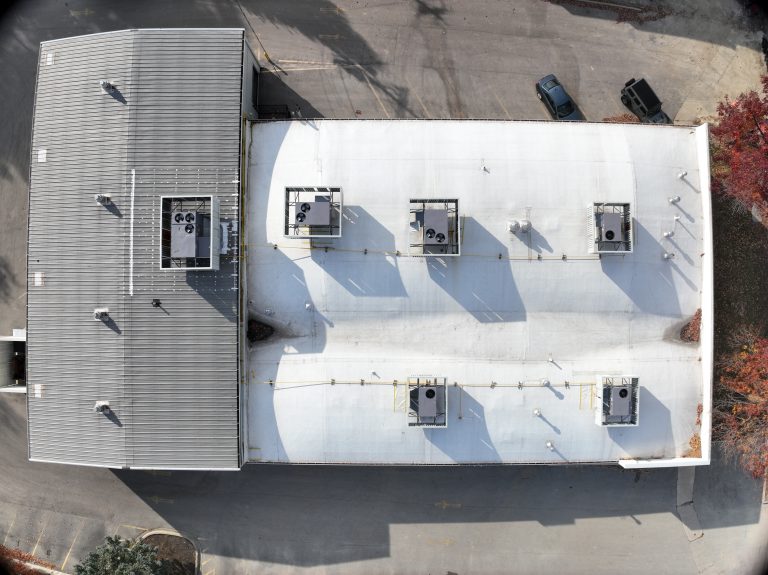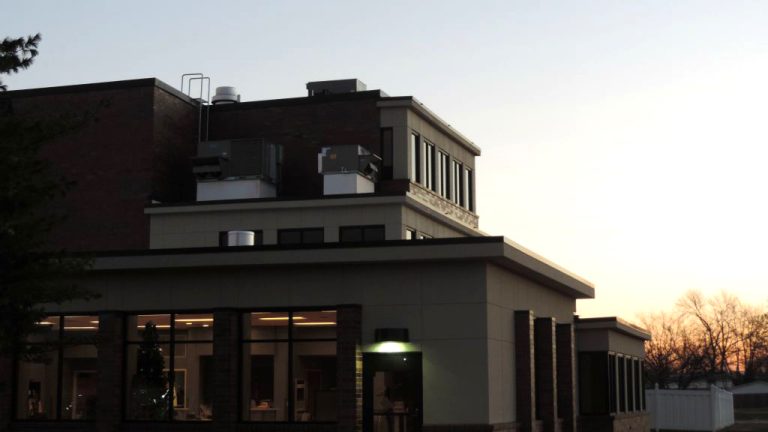

Why Rooftop HVAC Noise Becomes a Real Business Risk
Most owners ignore rooftop noise until it threatens revenue. A retail tenant hints they may not renew. A hotel operator complains about guest reviews mentioning mechanical hum. A neighboring condo board sends a formal letter. Suddenly, what felt like background equipment noise turns into a financial issue.
I have seen buildings where the façade looked intentional and well designed, yet persistent mechanical sound undercut the entire experience. Sound does not behave the way people expect. It reflects off nearby walls, carries across open parking lots, and becomes sharper at night when traffic drops. Once occupants notice it, they rarely stop noticing it.
That is when acoustical solutions stop feeling optional. When you review recent project updates, you often see the same patterns show up across different property types. Owners start asking whether the issue will escalate, whether it exposes them to liability, and how much a proper fix will cost compared to ongoing friction.
Understanding What Actually Creates Rooftop HVAC Noise
Rooftop units create layered sound, not just a steady hum. Supply fans move large volumes of air. Compressors cycle on and off. Motors vibrate against steel curbs and structural framing.
The real problem often comes from tonal spikes. A low, steady airflow may fade into the background. A repeating compressor tone every few minutes can irritate residents, even when measurements show moderate levels. That contrast explains why two buildings with similar equipment can receive very different feedback.
You might notice complaints increase after 9 p.m. when ambient sound drops. Residential and hospitality settings magnify this effect. In those environments, occupants expect relative quiet, not industrial rhythm.
Why Rooftop Equipment Screens Influence Acoustic Performance
Most teams install rooftop equipment screens to satisfy visual expectations. However, these systems also influence how sound leaves the roof. When designed intentionally, they interrupt direct line of sight between equipment and nearby balconies or windows.
That interruption can reduce certain higher frequency components. Yet barriers alone rarely solve persistent complaints. Solid panels without absorption may reflect sound upward or toward another property. I have seen projects where a new enclosure shifted the problem to a different neighbor.
The lesson is straightforward. Height, material, and internal treatment must align with how the equipment actually behaves. When screening decisions ignore acoustic pathways, owners often pay twice.
Mechanical Equipment Screens as Part of a Broader Plan
Mechanical equipment screens form the physical boundary around rooftop units. Their height determines what nearby occupants can see and hear directly. Their spacing affects airflow and maintenance access.
If a residential balcony sits level with the roof, a low enclosure will not block direct transmission. Raising the structure a few additional feet can change exposure significantly. In other situations, adding absorptive backing behind perforated panels reduces internal reflection before sound escapes upward.
Many clients assume thicker metal equals better performance. Teams often compare structural mounting approaches before they commit to a layout that can support acoustic height changes. In practice, absorption inside the enclosure usually produces more noticeable improvement than mass alone. Treating airflow, structure, and acoustics as one conversation avoids reactive redesign later.
Designing Rooftop Equipment Screens for Measurable Noise Reduction
Clear targets sharpen decision making. Instead of asking for general improvement, define acceptable sound levels at specific receptor points. In many projects, rooftop equipment screens incorporate perforated facings with acoustic backing to reduce reflected energy while maintaining ventilation.
This configuration allows air to move while capturing a portion of the sound energy before it leaves the enclosure. Many teams confirm key engineering specifications before finalizing panel selection and spacing. Engineers verify open area percentages so airflow does not suffer. Without that coordination, you risk solving one issue and creating another.
Owners often underestimate how small details influence outcome. A gap at the base of a panel can allow direct transmission. An unlined interior surface can amplify reflection. Precision matters more than broad gestures.
Material Choices That Actually Change Outcomes
Bare metal performs well structurally, but it reflects sound efficiently. If the goal is comfort rather than simple concealment, lined assemblies tend to perform better.
Perforated metal panels paired with mineral wool or acoustic composites allow airflow while absorbing energy behind the facing. Through our partnership with Spinnaker, we align manufacturer-grade components with project-specific acoustic and structural requirements. That combination addresses both ventilation and internal buildup. Over time, it often produces steadier results than unlined barriers.
Durability still matters. Rooftop environments expose materials to wind, moisture, and temperature swings. Owners who evaluate lifecycle cost rather than only upfront expense usually make more balanced decisions.
RTU Screens and Tonal Noise Complaints
RTU screens frequently surround packaged units that cycle compressors throughout the day. Tonal noise from those compressors tends to trigger complaints faster than steady airflow.
Barriers interrupt direct sound paths, yet vibration isolation often determines whether low frequency energy reaches interior spaces. If vibration transfers into the roof deck, surface screening alone cannot resolve it.
In some cases, internal baffles or acoustic louvers diffuse energy before it exits the enclosure. Designers must preserve airflow and service access. A fix that restricts maintenance will create a different operational issue.
HVAC Screen Walls in High Density Developments
High density sites leave little margin for error. Residential units may sit only a short distance from rooftop equipment at similar elevations. That proximity increases sensitivity and scrutiny.
HVAC screen walls sometimes extend above minimum visual height in these environments. Additional elevation can block upper level sightlines and sound paths. Orientation of the equipment itself also changes exposure patterns.
Still, height alone rarely resolves persistent complaints. Absorption, isolation, and layout adjustments usually work together. Projects that treat these elements collectively tend to experience fewer surprises after occupancy.
Common Missteps That Prolong Noise Issues
One frequent mistake involves installing an enclosure without analyzing how sound disperses across adjacent properties. The barrier may shield one side while increasing reflection on another.
Another issue appears during maintenance. If technicians remove panels for service and fail to reseal them tightly, performance declines. Small gaps can undermine otherwise thoughtful design.
Cost driven decisions also influence outcome. Clear installation planning considerations reduce last-minute field changes that can introduce gaps and rattles. Eliminating acoustic lining to trim budget may appear harmless during construction. Months later, owners sometimes realize the savings were minimal compared to tenant dissatisfaction.
Retrofit Versus New Construction Strategy
New construction offers greater flexibility. Teams can position equipment strategically and design rooftop equipment screens around predictable sound paths from the outset.
Retrofits introduce tighter constraints. Retrofits also raise questions about attachment method differences when roof structure limits options. Existing curbs, structural limits, and roof layouts reduce options. Still, well engineered systems can adapt to many conditions with careful detailing and realistic expectations.
In both cases, early assessment clarifies risk before installation begins. That transparency reduces the chance of promising results that design cannot realistically achieve.
Frequently Asked Questions
Do screens automatically solve rooftop noise problems?
No. Performance depends on height, material selection, internal absorption, and vibration control. A coordinated plan performs more consistently than a standalone barrier.
When should an owner consider acoustical solutions?
Usually when complaints emerge, when residential adjacency increases sensitivity, or when tenant retention feels uncertain. Some owners also start the conversation early to align scope with realistic outcomes. Early planning reduces reactive spending.
Are RTU screens enough by themselves?
They can help meaningfully, yet low frequency vibration often requires isolation as well. Addressing only one pathway may limit overall improvement.
How do you determine the right screen height?
Evaluate equipment output, receptor location, and elevation differences. Modeling and field measurements provide stronger guidance than assumptions.
Making a Practical Decision About Noise Control
Noise control rarely produces direct revenue, but unresolved complaints can affect renewals, reputation, and long term asset value. Owners who treat acoustics seriously often avoid recurring friction.
Rooftop equipment screens should operate as part of a broader acoustical strategy rather than as a cosmetic fix. Reviewing available screen systems helps you match enclosure style to airflow, access, and acoustic priorities. Mechanical equipment screens, absorptive materials, and vibration isolation work best when aligned with actual site conditions.
If you are evaluating screening solutions for a current or upcoming property, start with an honest assessment of exposure and expectation. Consider surrounding uses, operating hours, and tolerance levels. Then engage professionals who understand both HVAC performance and sound behavior. A deliberate plan now reduces uncertainty and protects the asset over time.