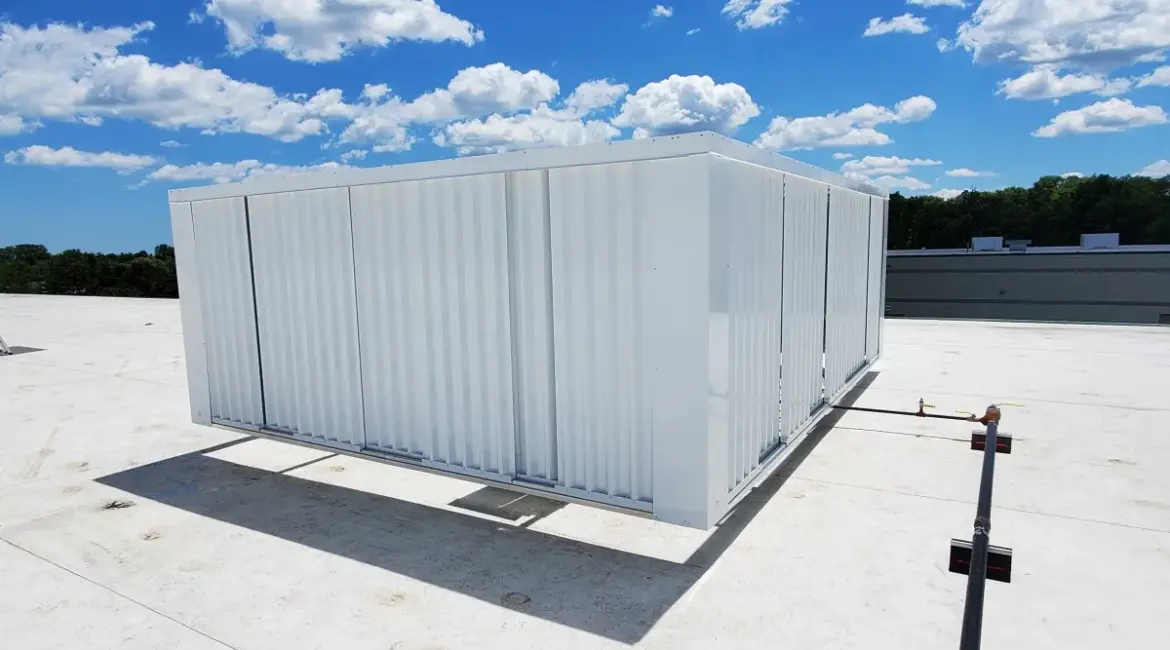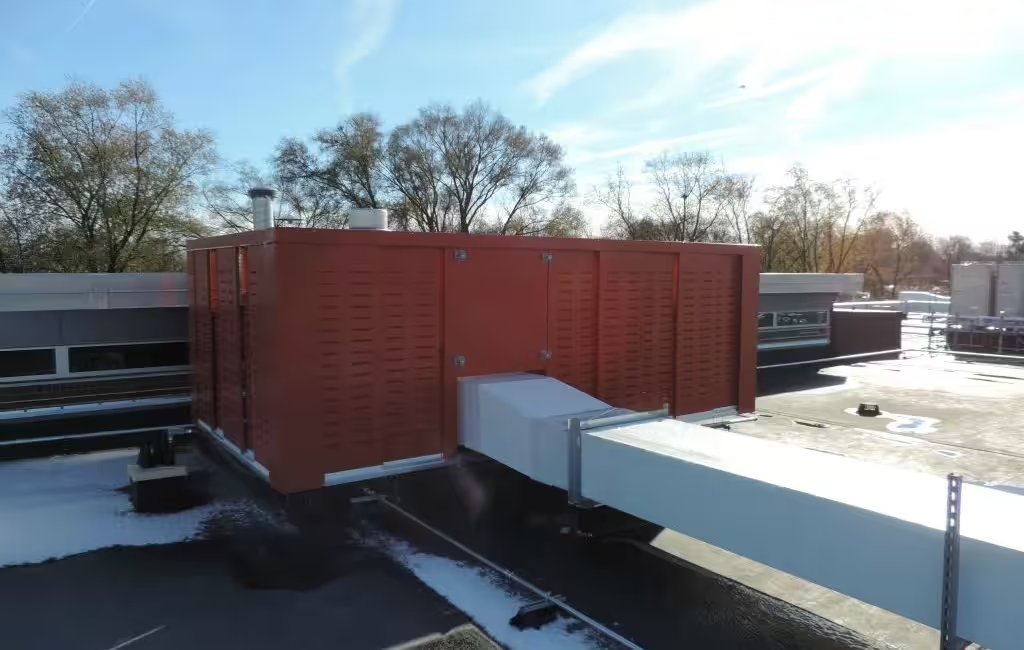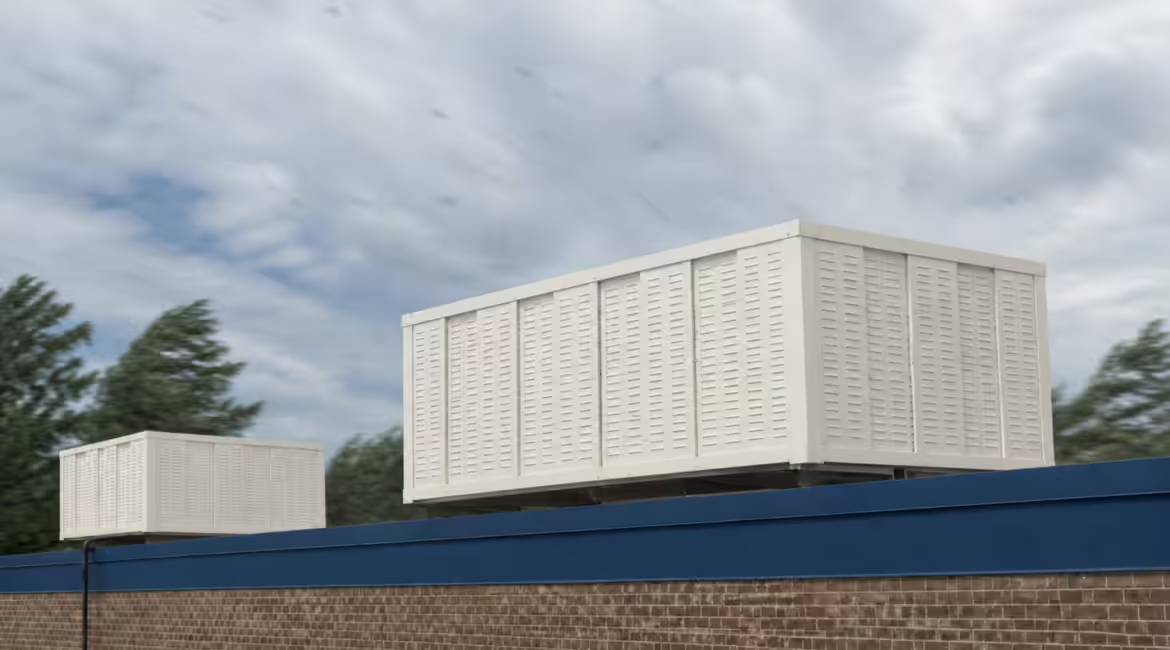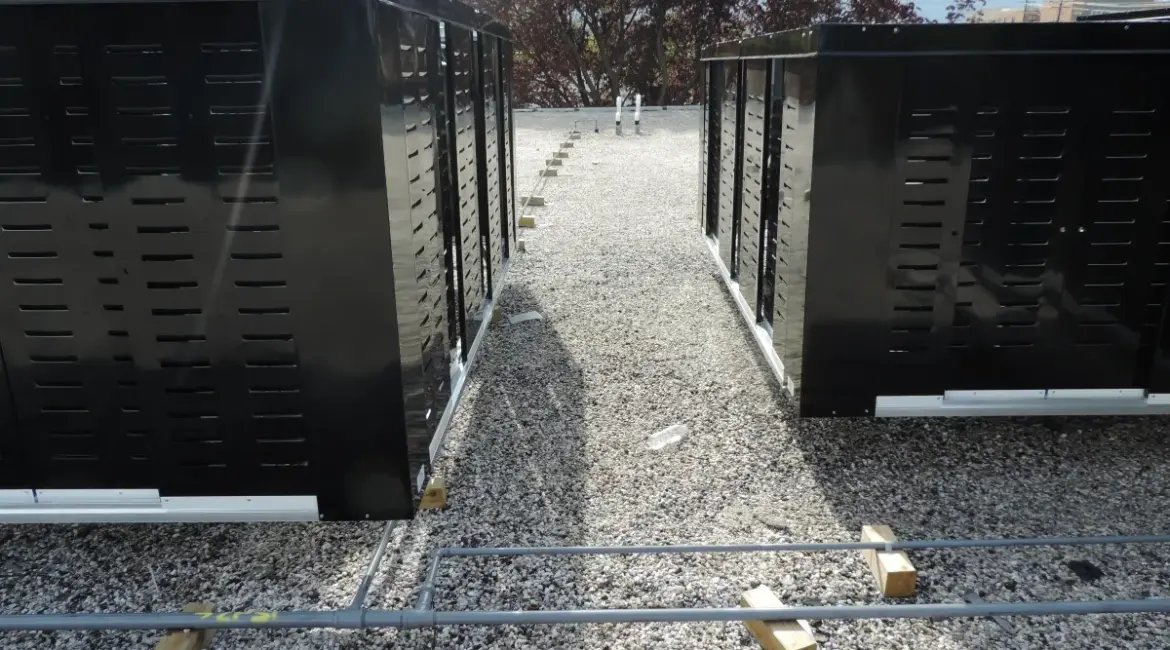
Commercial rooftops rarely match a standard screen layout. HVAC units vary by brand, size, height, placement, airflow needs, and service clearance. Roof vents, curbs, parapets, slopes, access paths, and tight equipment spacing can also affect how a screen system should be designed. That is why custom rooftop HVAC screening is...
Designing roof screen systems for High-Wind Areas: Why 225 MPH Matters
When Wind Performance Stops Being a Detail In many commercial projects, rooftop screening starts as an aesthetic requirement. Owners want to hide mechanical units, while architects aim for a cleaner roofline. Local jurisdictions often expect equipment to be screened from view. However, once a project moves into design review, wind performance quickly...
Do Rooftop HVAC Screens Affect Maintenance and Service Access?
Many building owners hesitate before installing rooftop screening systems. At first, the concern feels practical. You might assume any barrier around equipment will slow technicians down. In reality, the outcome depends heavily on design decisions made early in the project. In some cases, well-planned screening systems support smoother maintenance workflows. They can create order,...
Rooftop HVAC Screening Myths That Are Costing Projects Time and Money
Myth #1: All Rooftop HVAC Screening Systems Are the Same If you have worked on enough projects, you have probably heard this assumption more than once. On the surface, many rooftop HVAC screening systems look similar. Panels, posts, and attachments can appear interchangeable, especially in early design discussions. From our experience, that...