
Many building owners hesitate before installing rooftop screening systems. At first, the concern feels practical. You might assume any barrier around equipment will slow technicians down. In reality, the outcome depends heavily on design decisions made early in the project.
In some cases, well-planned screening systems support smoother maintenance workflows. They can create order, improve safety, and reduce accidental damage. On the other hand, poor layouts often create friction during routine service visits. That contrast tends to shape long-term satisfaction more than the screen itself.
What stands out across projects is not the presence of screens, but how thoughtfully teams integrate them. When design teams consider access from the start, service teams rarely struggle later. However, when access becomes an afterthought, small issues compound over time.
Many teams begin by reviewing engineered screen systems to understand how design flexibility affects long-term maintenance.
How HVAC Screens Influence Maintenance Access
Rooftop systems must balance visibility, compliance, and usability. While screens primarily hide equipment, they also shape how technicians move across the roof. That influence becomes clear during routine inspections and repairs.
In practice, technicians rely on clear pathways and predictable layouts. When systems support those needs, service work stays efficient. However, tight layouts or rigid barriers can slow progress. Over time, those delays increase labor costs and reduce service frequency.
Many clients notice that maintenance teams adapt quickly to well-designed environments. They move confidently between units and complete tasks without hesitation. In contrast, awkward layouts often lead to cautious movement and longer service times.
Technicians often evaluate layouts using established maintenance access principles before working on complex rooftop systems.
Why HVAC Screens Require Early Planning
Design decisions made early tend to define long-term outcomes. When teams plan screening systems alongside equipment placement, access improves naturally. This approach avoids retrofitting solutions later.
It often feels easier to treat screening as a final step. However, that shortcut usually creates avoidable complications. Panels may block service points or limit movement around equipment. Over time, those limitations affect both performance and maintenance.
Many projects benefit from early coordination between architects, contractors, and service teams. Each group brings a different perspective. When those insights align, the final system supports both appearance and functionality.
Key Design Factors That Affect Service Access
Panel Design and Accessibility
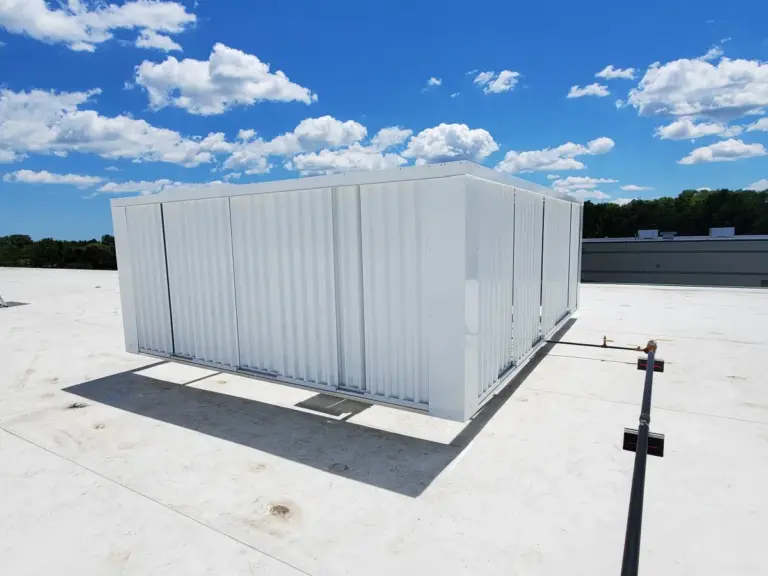
Panels shape how quickly technicians reach equipment. Sliding panel systems create a consistent and efficient access experience. Technicians can open sections quickly without removing components or handling loose parts.
This approach reduces downtime during service visits. It also limits wear that often comes from repeated handling. Over time, sliding panels tend to maintain alignment and function more reliably.
In practice, technicians prefer predictable access points. Sliding panels support that preference by allowing quick entry and closure. As a result, service workflows remain smooth even during frequent maintenance.
Clearance Around Equipment
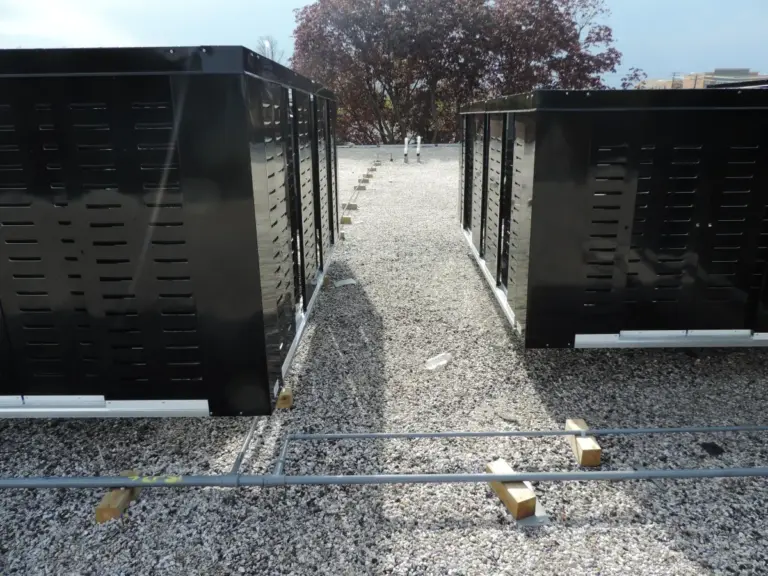
Spacing between equipment and screening walls matters more than many expect. Technicians need enough room to move safely and access components. When space feels tight, even simple tasks take longer.
You might notice that manufacturers recommend minimum clearance distances. Those guidelines support both airflow and maintenance. Ignoring them often leads to long-term inefficiencies.
Access Points and Pathways
Clear entry points improve movement across the rooftop. Without them, technicians may need to navigate around obstacles. That process slows work and increases safety risks.
Defined pathways help teams work with confidence. They also reduce the chance of accidental damage to equipment or screening structures. Over time, these small efficiencies add up.
System Layout and Organization
Layout decisions influence how easily technicians locate and reach equipment. Organized configurations create a logical flow across the rooftop. In contrast, scattered layouts often feel disjointed.
Many clients find that structured layouts reduce service time. Technicians can move from one unit to the next without backtracking. That efficiency becomes especially valuable during large-scale maintenance.
You can often identify effective layouts by reviewing completed project examples across different building types.
Types of Rooftop Screen Systems to Consider
Not all rooftop screening systems function the same way. While access remains important, the mounting method often shapes how that access works in practice. Looking at the main system types helps clarify what fits different rooftop conditions.
Direct Attached / Unit Mounted Systems
Direct attached systems connect directly to the HVAC unit. This approach avoids roof penetration and keeps the system compact. In many cases, this setup feels more integrated with the equipment.
Sliding panels allow technicians to access all sides without obstruction. As a result, service work tends to feel more intuitive. This option often works well when preserving roof integrity matters.
Post Mounted Systems
Post mounted systems stand independently from the equipment. They create a structural enclosure that surrounds one or multiple units. This design offers flexibility for larger rooftops.
Because the system does not rely on the unit, layout options expand. Sliding panels still provide consistent access across all sides. Many teams prefer this setup when working with grouped equipment.
Curb Mounted Systems
Curb mounted systems attach directly to the roof structure. They often work well when the equipment cannot support direct attachment. This makes them useful in retrofit situations.
Despite the different mounting methods, access remains consistent. Sliding panels allow technicians to move freely without removing sections. This helps maintain both airflow and service efficiency.
Why System Type Still Matters for Maintenance
Each system type approaches access differently, even when panel design stays consistent. What tends to stand out is how well the system fits the rooftop layout.
In some cases, direct attached systems feel more streamlined. In others, post mounted systems provide better coverage. The right choice often depends on space, structure, and service frequency.
Common Maintenance Challenges You Might Encounter
Limited Access to Equipment
Some systems restrict access to critical components. Technicians may struggle to reach panels, filters, or controls. This limitation often increases service time.
In some cases, teams delay non-urgent maintenance due to access difficulties. That decision can lead to larger issues later. Preventive care becomes harder to maintain.
Tight Working Conditions
Crowded spaces create physical challenges for technicians. Tasks that require flexibility become more difficult in confined areas. Over time, this environment can affect safety.
Many service professionals prefer systems that allow natural movement. When space feels open, they work more efficiently. That difference often reflects in service quality.
Inconsistent Panel Functionality
When sliding systems lack proper alignment, access can feel restricted. Panels may not move smoothly, which slows technicians down. These issues often come from poor installation or planning.
Consistent sliding performance helps avoid these problems. When panels operate as expected, service teams can focus on their work without distraction.
How HVAC Screens Can Improve Maintenance When Designed Correctly
Well-designed systems often enhance maintenance rather than hinder it. They create defined zones for equipment and service activity. As a result, technicians can work more efficiently.
You might notice that organized layouts reduce confusion during inspections. Technicians spend less time locating units and more time performing actual work. That shift improves overall productivity.
In addition, screening systems can protect equipment from debris and environmental exposure. This protection may reduce the frequency of certain repairs. Over time, that benefit supports long-term performance.
Many clients find that investing in better design upfront leads to fewer service issues later. While the initial planning requires effort, the payoff becomes clear over time.
Best Practices for Maintenance-Friendly Screen Design
Plan for Access Early
Early planning allows teams to integrate access into the design. This approach prevents costly adjustments later. It also ensures that maintenance remains efficient.
Use Sliding Panel Systems
Sliding panels provide consistent access without requiring removal. This design reduces handling time and simplifies routine service. Many teams prefer this approach for long-term usability.
Maintain Proper Clearance
Adequate spacing supports both airflow and service access. It also reduces the risk of damage during maintenance. Over time, this choice improves system reliability.
Clearances should align with engineering specifications to support long-term performance.
Incorporate Clear Pathways
Defined walkways help technicians move safely and efficiently. They also reduce the likelihood of accidental contact with equipment. This feature often improves overall service quality.
FAQ: HVAC Screens, Rooftop Equipment Enclosures, and Maintenance Access
Do HVAC screens make maintenance harder?
No, HVAC screens do not have to make maintenance harder when they are designed as service-friendly rooftop equipment screening systems. A properly engineered HVAC screen enclosure, rooftop mechanical equipment screen, or architectural HVAC screen should conceal rooftop units while still allowing technicians to inspect, clean, repair, and service the equipment efficiently.
Maintenance problems usually happen when screens are installed too close to the equipment, block service doors, restrict airflow, or fail to include sliding access panels, removable panels, or proper HVAC service clearance.
Can technicians easily access equipment behind HVAC screens?
Yes, technicians can access equipment behind commercial HVAC screens when the enclosure is planned around real maintenance workflows. The best rooftop HVAC screening systems allow service teams to reach filters, coils, electrical disconnects, drain lines, refrigerant piping, ductwork, controls, economizers, flues, and equipment doors without unnecessary delays.
Access is strongest when the system includes sliding HVAC screen panels, clear service paths, proper spacing, and panel layouts that match the unit’s maintenance points.
Do HVAC screens affect service costs?
Yes, HVAC screens can affect service costs depending on the design. A maintenance-friendly rooftop equipment enclosure may help reduce labor time because technicians can access HVAC equipment quickly and safely. A restrictive screen can increase service costs if workers must remove panels, work in tight spaces, or spend extra time reaching basic service areas.
For building owners, facility managers, architects, and contractors, the goal is to choose a service-accessible HVAC screen system that supports visual screening, airflow, code compliance, and long-term maintenance efficiency.
What HVAC screen features improve maintenance access?
The best HVAC screen systems for maintenance access include sliding panels, removable screen sections, full access to service doors, proper rooftop walk space, and adequate clearance around mechanical equipment. These features help technicians service filters, coils, controls, motors, belts, fans, drains, piping, ductwork, flues, hoods, and disconnects without fighting the enclosure.
A strong design also prevents the screen from blocking air intake, condenser discharge, exhaust airflow, ventilation paths, or manufacturer-required service clearances.
Do rooftop HVAC screens affect airflow or equipment performance?
They can if they are poorly designed. HVAC equipment needs proper airflow clearance, ventilation, heat rejection, intake spacing, exhaust clearance, and manufacturer-required access space. A screen that is too close to the unit or blocks condenser discharge, outside air intake, economizers, exhaust fans, or ventilation paths can reduce performance and create maintenance problems.
A properly designed louvered HVAC screen, architectural rooftop screen, or mechanical equipment enclosure should conceal rooftop units without trapping heat, restricting airflow, or limiting service access.
Should maintenance teams be involved in HVAC screen design?
Yes, maintenance teams should be involved before the HVAC screen system is finalized. Facility managers and HVAC technicians understand where filters are removed, which panels need to open, where coils are cleaned, how controls are accessed, and how much space is needed for safe service.
Early collaboration between the owner, architect, mechanical contractor, roofing contractor, enclosure manufacturer, and maintenance team helps prevent access issues and improves long-term performance.
What is the best HVAC screen design for service access?
The best HVAC screen design for service access hides rooftop mechanical equipment while preserving full access to service doors, filters, coils, controls, piping, ductwork, disconnects, drains, flues, hoods, fans, and ventilation components.
For many commercial buildings, direct-attached HVAC screens, unit-mounted rooftop screens, curb-mounted screens, post-mounted screens, or non-penetrating rooftop HVAC screens may be used depending on the roof layout, equipment height, structural needs, wind exposure, visibility requirements, and maintenance needs.
Why are sliding panels important for HVAC screens?
Sliding panels are important for HVAC screens because they allow technicians to access rooftop HVAC equipment without dismantling the entire enclosure. Instead of removing large fixed panels, service teams can slide open the section that aligns with filters, coils, electrical controls, drain lines, refrigerant components, or service doors.
For commercial rooftop equipment screens, sliding panels improve technician workflow, reduce maintenance delays, and help keep the enclosure attractive and functional.
Can HVAC screens help with building codes and rooftop screening requirements?
Yes, HVAC screens are often used to help meet municipal rooftop equipment screening requirements, zoning standards, architectural review guidelines, and project specifications. Many commercial buildings need to hide rooftop HVAC units, exhaust fans, condensers, air handlers, make-up air units, and other mechanical equipment from street view, nearby buildings, public roads, parking areas, and neighboring properties.
A properly designed architectural HVAC screen system improves curb appeal while preserving airflow, service access, rooftop safety, and equipment performance.
What should building owners ask before installing HVAC screens?
Building owners should ask whether the rooftop HVAC screen enclosure allows full access to service doors, filters, coils, controls, piping, ductwork, flues, hoods, disconnects, drains, and ventilation components. They should also confirm that the system maintains airflow clearance, supports wind-load requirements, protects the roof system, meets screening requirements, and allows technicians to perform routine HVAC maintenance efficiently.
The best commercial rooftop HVAC screens improve building appearance without creating service barriers, airflow issues, roof problems, or long-term maintenance delays.
Making the Right Design Decision
Rooftop screening systems do not inherently create maintenance problems. Instead, design choices determine how they affect service access. When teams plan carefully, these systems can support efficient workflows and protect equipment.
You might find that the most successful projects share a common trait. They treat maintenance as a priority during the design phase. This mindset leads to better outcomes for both building owners and service teams.
If you are considering screening solutions, focus on usability as much as appearance. That balance often makes the biggest difference over time.
Exploring installed screen layouts can help clarify what works in real-world applications.
Still Evaluating Rooftop Screening Options?
If you are evaluating rooftop screening options, take time to review how each system supports maintenance access. Ask questions, involve service teams, and look closely at design details. A thoughtful approach now can help you avoid complications later and create a system that performs well for years.
For project-specific guidance, consider reaching out for design coordination support.