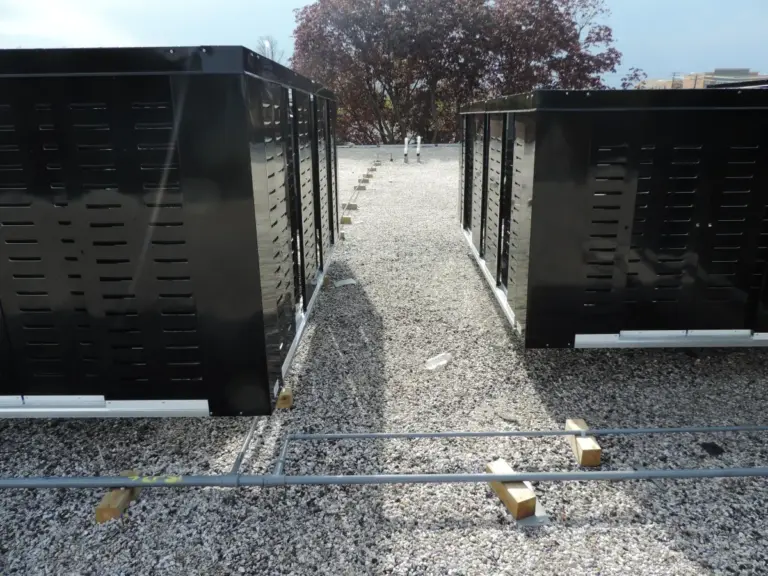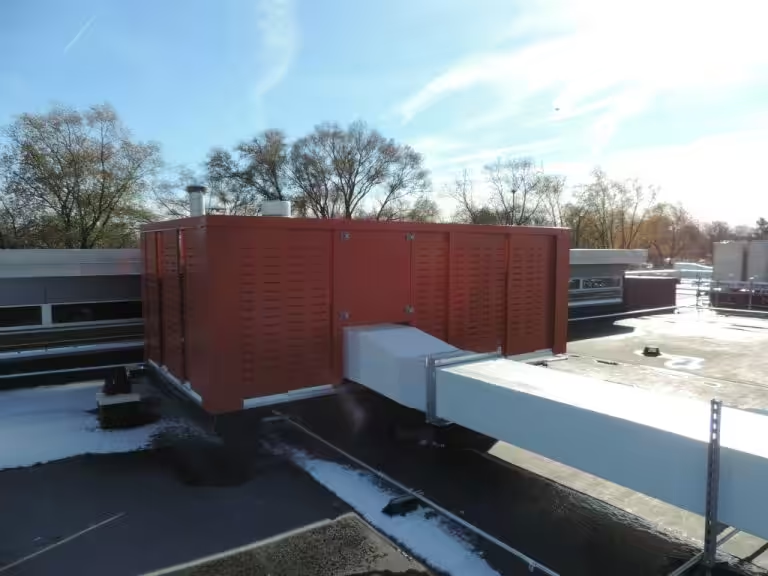

Rooftop equipment rarely becomes a problem in the drawings.
It becomes a problem when the building is almost finished. Suddenly, the HVAC units are visible from the street. The roofline feels messy. A planning reviewer asks about screening. The owner notices the mechanical equipment before the architecture.
By then, everyone wants the same thing. They want a clean solution that works without creating new problems.
That is where rooftop equipment enclosures earn their value in modern building design. They do not just cover equipment. Instead, they help protect the look, function, and long term serviceability of a commercial roof.
North American Enclosures builds for that exact moment, when project teams need rooftop equipment screens that look finished from the ground and still make sense for the people working on the roof. The right system keeps access, airflow, roof protection, and installation realities in view from the start.
Rooftop Equipment Enclosures Should Make the Project Easier
A roof screen should never become another coordination headache.
The enclosure has to look right from the ground. However, it also has to work for the people standing on the roof. Service doors still need to open. Filters still need access. HVAC units still need room to breathe.
Because of that, the best rooftop equipment screens start with the equipment layout. They do not begin with a generic panel choice.
This matters on new construction. It matters even more on retrofit projects, where roof conditions already exist. One wrong assumption can affect access, roof protection, or installation timing.
A better enclosure respects the roof as a working space.
What Is Rooftop Equipment Screening on a Real Project?
Rooftop equipment screening means using an architectural system to conceal roof mounted mechanical equipment.
That definition sounds simple. Yet, the real work sits in the details.
A proper rooftop HVAC enclosure has to coordinate with unit dimensions, service clearances, roof structure, wind exposure, and sightlines. It should hide the equipment without boxing it in.
Therefore, screening is not decorative fencing. It is a practical part of the building envelope conversation.
When teams plan it early, the screen looks intentional. When teams rush it late, it can feel like a patch.
What Is the Purpose of a Roof Screen?
The purpose of a roof screen is to clean up the building without compromising the roof. Yes, it hides equipment. However, that is only the visible benefit.
A strong screen also helps satisfy design expectations, protect curb appeal, and reduce visual clutter. On many commercial buildings, that difference affects how finished the property feels.
Still, the real win is quieter. A good enclosure lets the building operate normally. Technicians can service the unit. Air can move properly. The roofline can stay clean.
Nobody should have to fight the screen after installation.
What Types of Rooftop Equipment Enclosures Are Available?
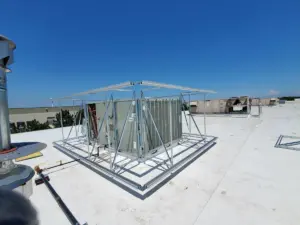
Different roofs need different answers.
Direct-attached systems mount to the HVAC cabinet or equipment frame. This option creates a compact screen and can avoid roof penetrations when the unit supports that approach. North American Enclosures’ direct-attached systems are designed around service access and airflow clearances.
Post-mounted systems stand apart from the equipment. They work well for larger mechanical areas, multiple HVAC units, and continuous sightline control. Because they attach to structural supports, they offer layout flexibility on more complex roofs.
Curb-mounted systems can support equipment without internal structural strength. North American Enclosures describes these as useful for exhaust fans, condensing units, generators, and similar equipment types.
The panel style also shapes the result. Louvered panels support airflow. Flat or perforated panels can create a cleaner architectural look. Custom layouts help when the roof refuses to follow a standard plan.
Choosing the right system becomes easier when teams understand what separates a basic screen from a dependable long-term solution. Materials, attachment methods, durability, airflow, and maintenance access all shape long-term performance. Comparing these details across The Best Rooftop Screen Systems can help teams choose an enclosure that fits the roof, equipment, and project requirements.
What Drives Rooftop Equipment Screen Cost?
Rooftop equipment screen cost usually follows complexity.
A single unit screen has one set of demands. A long screen wall around several units has another. Height, length, finish, engineering, wind exposure, attachment method, and roof access all affect the final number.
However, timing may matter most.
Early planning lets the team coordinate equipment, structure, sightlines, and maintenance access. Late planning often creates awkward compromises. Those compromises can cost more than the screen itself.
For a useful quote, come prepared with equipment sizes, roof layout, desired screen height, project location, and access concerns. Those details help the enclosure fit the project instead of forcing the project to fit the enclosure.
Project teams can also explore North American Enclosures to review available screening approaches before finalizing a roof plan. The homepage offers a useful starting point for architects, contractors, facility teams, and owners comparing options. From there, visitors can learn how each system supports clean sightlines, equipment access, airflow, roof protection, and practical installation across commercial projects. That context helps teams begin informed conversations much earlier.
Why North American Enclosures Is the Right Conversation
A strong enclosure partner should care about what happens after installation.
North American Enclosures offers direct-attached, post-mounted, and curb-mounted screening options. Their system pages also emphasize airflow needs, service access, roof structure, and equipment type during selection.
That matters because commercial roofs are not showroom floors. They are tight, exposed, expensive, and full of moving parts.
Architects need clean lines. Contractors need fewer surprises. Facility teams need space to work. Owners need the building to look finished for years.
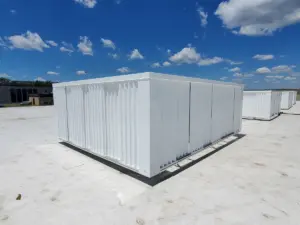
In a tight rooftop HVAC enclosure project, the challenge was not just hiding equipment from view. The screen also had to work within limited space, preserve service access, and avoid unnecessary disruption to the roof.
Good screening respects all of those people and all of those constraints.
Frequently Asked Questions
What is rooftop equipment screening?
Rooftop equipment screening conceals HVAC units, generators, exhaust fans, and other roof-mounted systems with an architectural enclosure.
What is the purpose of a roof screen?
A roof screen hides visible equipment, improves curb appeal, supports design review, and protects the roofline from mechanical clutter.
What are the types of enclosures?
Common options include direct-attached, post-mounted, curb-mounted, louvered, perforated, flat-panel, and custom rooftop equipment enclosures.
Will rooftop HVAC screening affect service access?
It should not. A properly planned screen leaves room for doors, panels, filters, and routine maintenance.
How do I control rooftop equipment screen cost?
Plan early, confirm equipment dimensions, review sightlines, choose the right attachment method, and account for service clearance.
Build the Roofline Before It Becomes a Problem
Rooftop equipment belongs on the building. It just does not need to define the building.
With the right rooftop equipment enclosures, your team can protect the design, maintain access, and avoid late-stage roofline compromises.
North American Enclosures helps teams choose screening that fits the equipment, the roof, and the way the building will actually be used. Start the conversation before the roof gets crowded.