
When Wind Performance Stops Being a Detail
In many commercial projects, rooftop screening starts as an aesthetic requirement. Owners want to hide mechanical units, while architects aim for a cleaner roofline. Local jurisdictions often expect equipment to be screened from view. However, once a project moves into design review, wind performance quickly becomes a serious consideration.
That shift happens for a reason. A rooftop screen sits in an exposed position with little natural protection. As building height increases, exposure typically becomes more significant. In coastal markets and hurricane-prone regions, teams often need more than a clean visual solution. They need a system that can support engineering review, align with code expectations, and perform under pressure.
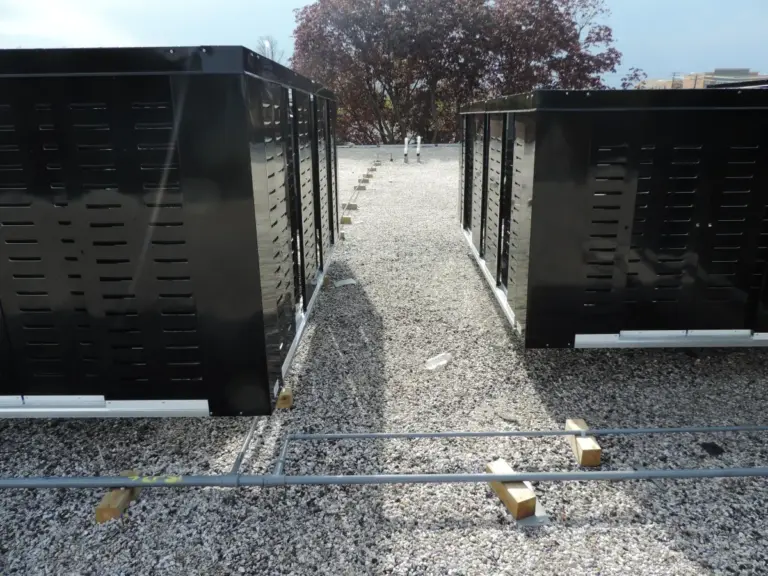
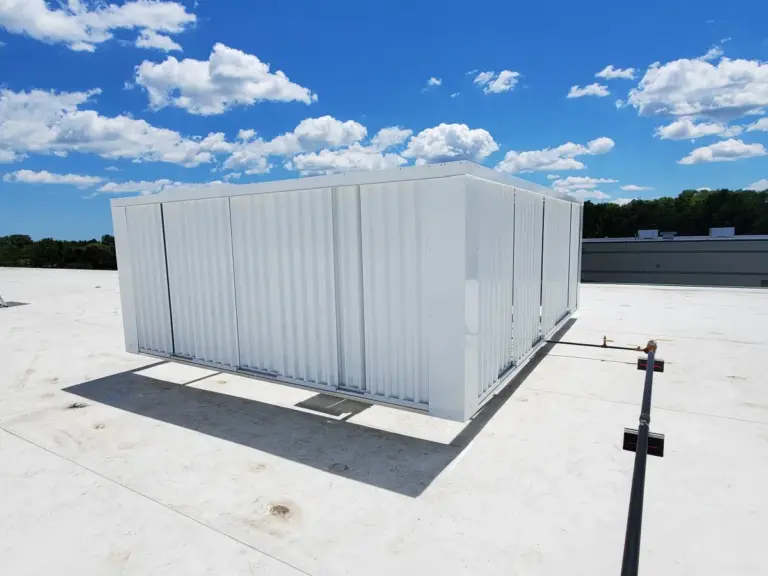
North American Enclosures approaches this differently. The company highlights wind ratings up to 225 mph based on 3-second gusts. That number stands out because it reflects measurable performance rather than appearance alone. In practice, it gives project teams a clearer starting point when evaluating screening options. For teams comparing options, reviewing completed project examples can help ground early decisions.
Why 3-Second Gust Ratings Matter in Real Projects
Wind terminology can feel abstract until drawings and calculations are required. At that point, every number matters. Most modern codes rely on a 3-second gust basis, so products aligned with that standard tend to be easier to evaluate.
This becomes important during specification. A system may look strong, but appearance does not answer engineering questions. Teams need to understand performance under load, attachment strategy, and compatibility with site conditions. Clear 3-second gust criteria helps create a more reliable comparison.
You might notice this becomes critical on taller buildings or open sites. Wind pressure stops feeling theoretical and starts influencing real design decisions. As a result, teams often prioritize systems with clearly defined performance metrics.
How roof screen systems Affect Compliance Early in Design
Many teams still treat screening as a late-stage addition, which can create unnecessary friction. Once structural review begins, the screen becomes part of the overall compliance framework rather than a simple accessory. Early coordination helps reduce issues by aligning architectural, installation, and engineering priorities before fabrication decisions are finalized.
In some cases, lower-performance options introduce delays later. Redesigns or additional review can slow progress. Starting with a system designed for demanding conditions often leads to a smoother process.
Approval rarely rewards vague claims. Reviewers expect clarity, especially when wind loads are involved. A 225 mph rating based on 3-second gusts provides a more concrete reference point, even though final requirements always depend on project-specific factors. Many teams rely on a broader structural code to guide those expectations.
Why Florida Often Enters the Conversation
Florida often comes up when discussing strict wind requirements. The state includes some of the most demanding design conditions in the country. The High-Velocity Hurricane Zone in Miami-Dade and Broward Counties adds another layer of scrutiny.
For teams working in those areas, product selection becomes more technical. The question is not only about concealment. It is about whether the system can support structural demands tied to the location. Higher wind capability often makes that evaluation more straightforward.
It is important to stay precise. Florida does not require a universal 225 mph rating for all rooftop screening. Requirements vary based on building type, exposure, and code application. Still, many clients prefer systems with higher performance margins when working in exposed environments such as the high-velocity hurricane zone.
What the HVHZ Context Really Means
The High-Velocity Hurricane Zone signals a stricter regulatory environment. Products often undergo closer review, especially when wind performance is involved. In the United States, this designation specifically applies to Miami-Dade and Broward Counties, where wind exposure and storm history have driven more rigorous requirements over time.
However, similar design pressures appear in other coastal regions. Areas along the Gulf Coast, parts of coastal Texas, and certain Atlantic shoreline markets may not carry the HVHZ label, yet they often operate under similarly demanding wind expectations. Because of this, many project teams approach these environments with the same level of caution when evaluating rooftop screening systems.
This is often where North American Enclosures starts to stand out. Instead of treating screening as a secondary detail, the company positions its systems around real-world wind performance from the beginning. That approach tends to resonate with architects and engineers who are already thinking ahead to structural review and long-term reliability.
This broader context changes how decisions are made. Instead of focusing only on appearance, teams prioritize systems that align with engineering expectations. They also tend to look more closely at performance data, attachment strategy, and how a system will behave under sustained wind pressure.
In many cases, stronger documented capability simplifies the process. It gives architects and engineers a clearer reference point and helps reduce uncertainty during design review. For owners, it often feels like a more stable long-term decision, especially when working with a system designed for high-wind environments rather than adapted to them after the fact. That perspective is reinforced by North American Enclosures’ longstanding experience across U.S. markets, where projects regularly face varied wind conditions and evolving code expectations.
What Stronger Wind Capability Changes for Architects and Contractors
A higher wind rating often shifts how teams approach risk rather than just design. Instead of reacting to structural concerns late in the process, architects and contractors can address them earlier with more clarity. That shift tends to influence how decisions are made across disciplines.
Architects, for example, often gain more flexibility when they are not forced to redesign around performance limitations. They can focus more on visual integration without second-guessing whether the system will hold up under review. Contractors, on the other hand, benefit from clearer installation paths, especially when system performance has already been accounted for upfront.
For owners, the impact shows up differently. Many clients are less concerned with the technical details and more focused on avoiding delays or unexpected changes. A system designed for higher wind conditions often reduces those risks by minimizing late-stage adjustments.
What tends to stand out is not just the rating itself, but how it influences coordination. When performance is built into the system from the beginning, teams spend less time resolving conflicts between design intent and structural requirements.
How roof screen systems Support Demanding Rooftop Conditions
Rooftop conditions vary widely. Some buildings face minimal wind exposure, while others sit in open or coastal environments where pressure becomes significant. System selection should reflect those differences.
Effective screening must balance concealment, access, and structural compatibility. In high-wind regions, it must also perform under load. Clear documentation helps teams evaluate options more confidently.
In practice, roof screen systems work best when they match real project conditions. A system that supports both design and engineering requirements usually creates fewer issues during installation and long-term use. Reviewing product performance data early often helps teams stay aligned.
The Role of Attachment Method and Engineering in High Wind HVAC Roof Screens
Wind rating alone does not define the performance of HVAC roof screens. It also does not define the performance of rooftop HVAC screens or commercial mechanical equipment screen systems. For commercial projects, attachment method matters. The way a screen connects to the rooftop unit, curb, roof structure, or building structure can affect long term performance.
A rooftop screen may be called a high wind HVAC screen, wind-rated roof screen, mechanical equipment enclosure, architectural roof screen, RTU screen system, or commercial rooftop equipment screen. The name matters less than the design. The system must resist wind pressure. It must also preserve roof integrity, maintain airflow, allow HVAC service access, and protect the roof membrane. It should support the engineering needs of the roof, equipment layout, and wind conditions.
North American Enclosures designs rooftop screening systems around real project conditions. These include roof layout, equipment type, wind exposure, airflow needs, service access, and visual screening requirements. For roof screen systems for high-wind areas, these details should be reviewed before the system is selected. In high wind markets, attachment method can affect engineering review and installation planning. It can also affect long term system performance.
A strong HVAC roof screen attachment strategy helps the enclosure work with the rooftop system. It should not simply cover equipment. The screen should conceal rooftop HVAC units and other visible mechanical equipment. It should not create roof leaks, airflow restrictions, service barriers, or structural coordination problems.
Direct Attached and Unit-Mounted HVAC Roof Screens
Direct attached HVAC screens and unit-mounted rooftop screen systems are common choices for a clean, integrated look. They can also help protect the roof membrane. For roof screen systems for high-wind areas, this attachment method can also reduce unnecessary roof penetrations. It does this by designing the screen around the rooftop mechanical equipment, not around a separate freestanding screen wall.
For commercial buildings, direct attached systems are useful in compact roof layouts. They can support rooftop HVAC concealment, non-penetrating HVAC screening, roof membrane protection, and maintenance-friendly HVAC access. Because the screen follows the equipment closely, it can create a lower-profile visual solution. It can still conceal rooftop mechanical units from public view.
A properly designed direct-attached system should maintain manufacturer-required airflow and ventilation clearances. It should allow equipment doors to open. It should also support routine maintenance without forcing technicians to work around unnecessary obstructions.
For project teams comparing direct attached HVAC screens, unit-mounted rooftop equipment screens, and non penetrating roof screens, early review can help. It can confirm whether the equipment cabinet, airflow requirements, service access needs, and roof layout make this system the right fit.
Curb Mounted HVAC Roof Screen Systems
Curb mounted HVAC roof screens use an engineered curb-based approach. The curb helps create a stable base for rooftop mechanical equipment and the surrounding enclosure. This option can be useful when the rooftop unit does not provide enough internal structure for a direct attached screen system.
A curb-mounted system can support rooftop equipment that needs a coordinated curb based connection. It is especially useful when the screen needs a more stable base than the equipment cabinet alone can provide.
For high wind rooftop applications, the curb mounted method can create a more predictable structural connection. It can be especially useful for roof screen systems for high-wind areas. A properly engineered curb-mounted rooftop equipment screen can support wind-load transfer, equipment clearance, HVAC service access, roof coordination, and airflow requirements. This is especially important on coastal projects, hurricane exposed buildings, high-rise rooftops, open terrain sites, and commercial properties exposed to elevated wind pressures.
A curb mounted HVAC screen should not simply hide the equipment. It should preserve service access, equipment clearance, airflow performance, and rooftop durability. A wind rated commercial HVAC roof screen system should conceal equipment while supporting code review, engineering requirements, service clearance, and long term rooftop performance.
Post Mounted Mechanical Equipment Roof Screens
Post mounted roof screen systems use structural posts to transfer loads into the building or roof structure. This approach is often used for larger spans and taller screen walls. It can also help with multi-unit rooftop enclosures, irregular equipment layouts, or projects where the screen must stand independently from the HVAC equipment.
A post-mounted mechanical equipment screen may be the right option for commercial buildings with multiple rooftop HVAC units. It can screen equipment from street view, neighboring buildings, parking areas, or public roads.
For high-wind rooftop applications, post mounted systems require careful engineering. This is especially true for roof screen systems for high-wind areas. Wind loads can increase with screen height, panel size, rooftop elevation, building exposure, and surrounding terrain. The taller and wider the screen system, the more important the engineering details become. These details include wind-load calculations, structural attachment, roof coordination, panel configuration, and service access.
A well-designed post-mounted screen system can provide added structural support. This matters for taller screen walls, wider spans, and more exposed rooftop locations. Post mounted screening can be a practical option when a project needs a freestanding architectural equipment screen with added structural capacity.
Why Site Exposure Matters for HVAC Roof Screens
Site exposure matters because wind does not affect every building the same way. An HVAC roof screen on a low-rise building in a protected urban area may face one level of wind pressure. A rooftop screen on a taller building near open terrain, coastal water, flat land, or hurricane-prone exposure may face another.
This is why high wind rooftop screening should be evaluated by more than appearance. Project teams should consider wind exposure category, building height, rooftop location, screen wall height, panel layout, attachment method, airflow clearance, and service access.
These factors help the project team select the right attachment method. The screen may be direct attached, curb mounted, post mounted, or custom designed for the roof layout.
How Engineering Review Improves HVAC Roof Screen Performance
Engineering review connects wind rating, attachment method, roof conditions, equipment layout, and code requirements. This should happen before the screen system is finalized. A qualified review should evaluate wind-speed criteria, 3-second gust references, building height, site exposure, screen layout, attachment method, structural support, roof membrane concerns, service clearance, and manufacturer-required airflow clearances.
A properly engineered wind-rated HVAC roof screen can help reduce late changes during review or installation. For roof screen systems for high-wind areas, engineering review is especially important. It can support code review and clarify structural attachment details. It can also protect service access and improve coordination between the design, roofing, mechanical, and construction teams.
When the attachment strategy aligns with project conditions, the roof screen performs more predictably. It can better resist wind loads, maintain panel stability, preserve HVAC service access, and protect the roof membrane. It can also reduce the risk of redesign during structural review.
Common Specification Mistakes in High Wind HVAC Roof Screen Projects
One common mistake is assuming all HVAC roof screens perform the same. They do not. Performance can vary between non-engineered visual screens, field-built screen walls, direct attached HVAC screens, curb mounted roof screen systems, post mounted screen walls, and engineered commercial rooftop equipment enclosures.
Another mistake is relying only on a published wind rating. A 225 mph wind-rated roof screen may offer strong performance capability. Still, project approval depends on more than that rating. It also depends on structural integration, roof conditions, equipment compatibility, airflow clearance, panel layout, documentation, and project-specific engineering validation.
A third mistake is delaying structural coordination. Rooftop equipment screens are sometimes treated as late stage architectural items. High wind screen systems should be treated as engineered components early in the design process. Waiting too long can create questions about load transfer, roof penetrations, equipment curbs, attachment details, panel height, and access clearance.
Documentation is another common problem. Clear product data, wind-load information, 3-second gust references, attachment details, airflow guidance, service access notes, and engineering support can make review smoother. This is especially important for roof screen systems for high-wind areas, where approval may depend on clear engineering and attachment details. Without this information, teams may face preventable questions during engineering review, permitting, or construction coordination.
Where HVAC Roof Screen Projects Lose Time
Many commercial HVAC roof screen projects lose time between design intent and technical approval. Early drawings may show a simple screen around rooftop equipment. Later review often requires specific answers. Teams may need to confirm wind rating, attachment method, structural support, airflow clearance, equipment access, roof penetrations, roof membrane protection, and manufacturer requirements.
Questions about 3-second gust wind performance can slow progress. So can questions about 225 mph wind ratings, curb integration, direct-mounted attachments, service access, airflow clearance, roof screen height, and code compliance. These details should be addressed early.
The best way to avoid these delays is to treat the screen as part of the rooftop mechanical design strategy. Early coordination matters. When the design, mechanical, roofing, and construction teams coordinate early, the project is more likely to move through review without unnecessary redesign.
Balancing Performance, Aesthetics, and Long Term Value
Most clients evaluate rooftop HVAC screens based on more than appearance. Visual screening matters because visible rooftop HVAC equipment can affect the look of a commercial building. But appearance alone is not enough.
A strong system should also provide wind resistance, airflow clearance, service access, roof protection, structural stability, code coordination, and long term durability. A well-designed architectural HVAC roof screen should improve curb appeal. It should also help the building satisfy rooftop equipment screening requirements, zoning expectations, municipal screening rules, and project specifications.
Long term value comes from selecting the right system type. A direct attached HVAC screen may be best when roof membrane protection is a priority. It may also be best when the equipment cabinet can support the enclosure. A curb mounted screen may be better when the project needs a stable engineered curb assembly. A post mounted screen may be best for taller screens, larger spans, or more complex roof layouts.
FAQ: High Wind HVAC Roof Screens and Code Questions
Does a 225 mph wind rating mean every project needs that level?
No. Every project has unique requirements. These include location, building height, exposure, risk category, rooftop layout, equipment type, and local code expectations. A 225 mph wind rating does not mean every project must meet that exact threshold. It reflects a higher level of capability. That capability may be appropriate for hurricane-prone regions, coastal buildings, exposed rooftops, and high wind commercial projects.
In practice, higher performance margins can reduce uncertainty during design review. They can also provide more flexibility when wind conditions, site exposure, or project requirements are less predictable.
Is Florida the only place where wind rating matters?
No. Florida often gets the most attention because of hurricane exposure and strict wind-design expectations. But wind rating matters across many parts of the United States and North America. Coastal regions, Gulf Coast markets, parts of Texas, Atlantic seaboard projects, exposed inland sites, elevated rooftops, and open-terrain conditions may all require careful review of rooftop screen wind performance.
Even inland commercial buildings can experience elevated wind pressures. Building height, terrain, roof configuration, and surrounding structures can all affect wind pressure. That is why wind rated HVAC screens, engineered rooftop enclosures, and properly attached mechanical equipment screens remain relevant beyond Florida.
Does a higher wind rating guarantee approval?
No. A higher wind rating can support review, but approval depends on the complete system design. Reviewers may evaluate the attachment method, structural integration, roof conditions, engineering documentation, equipment compatibility, wind-load calculations, airflow clearances, and project-specific installation details.
A high performance rooftop equipment screen does not replace proper coordination. Still, an engineered, wind-rated system can make the approval process more predictable.
Why do 3-second gust references matter?
3-second gust references matter because they are commonly used in modern wind design and building code evaluation. When a rooftop screen system identifies wind performance using a 3-second gust basis, engineers and reviewers can compare the system more clearly against design requirements.
Without consistent wind measurement criteria, comparing rooftop equipment screens can become confusing. One product may describe wind performance differently from another. That makes actual capability harder to evaluate. Clear 3-second gust references help reduce confusion and support technical review.
Can aesthetics and performance work together?
Yes. Aesthetics and performance should work together in every well-designed rooftop screening system. Commercial buildings need rooftop equipment screens that improve visual appearance, support architectural intent, and meet line-of-sight requirements. Those screens must also support wind resistance, airflow, service access, roof protection, structural coordination, and long term durability.
The most effective solutions are designed with both priorities in mind from the beginning. A strong rooftop screen should look intentional, perform reliably, and keep HVAC and mechanical systems accessible for maintenance.
Choosing the Right High Wind HVAC Roof Screen System
High wind roof screen decisions are easier to manage when performance is reviewed early. Rooftop screening should be reviewed as part of the building design strategy. That means evaluating wind rating, attachment method, equipment layout, roof membrane concerns, airflow, code requirements, and service access before final approval.
North American Enclosures provides high wind rooftop screening systems with engineered attachment strategies, architectural appearance, and practical system design. This can reduce uncertainty on projects where rooftop equipment screens must handle significant wind exposure and still meet visual screening requirements.
For commercial buildings, the rooftop screening system should fit the actual project conditions. A direct attached system may be the right choice when preserving the roof membrane and maintaining a low-profile appearance are top priorities. A curb mounted system may be better when equipment requires a strong curb-based connection. A post mounted system may be appropriate when larger spans, taller screens, or complex roof layouts require additional structural support.
If a project involves high wind exposure, rooftop HVAC visibility, mechanical equipment concealment, code-driven screening requirements, or complex attachment conditions, early screen review can help prevent avoidable coordination issues. Before selecting a roof screen based on appearance alone, project teams should review how the system will attach. They should also review how it will handle wind loads, preserve airflow, and allow equipment access after installation.
North American Enclosures helps project teams evaluate these details before they become field problems. Whether the project calls for a direct attached system, curb mounted system, post mounted system, or custom rooftop screening solution, the right enclosure should support the building visually, structurally, and operationally. For high wind HVAC roof screen projects, early coordination can support cleaner approvals, better installation planning, stronger long term performance, and a system that fits the roof.
To move forward with a more confident screen selection, contact North American Enclosures for a free consultation. The team can review your rooftop layout, equipment type, visibility requirements, wind exposure, attachment options, and service access needs. From there, they can help identify the most practical HVAC roof screen system for your project.