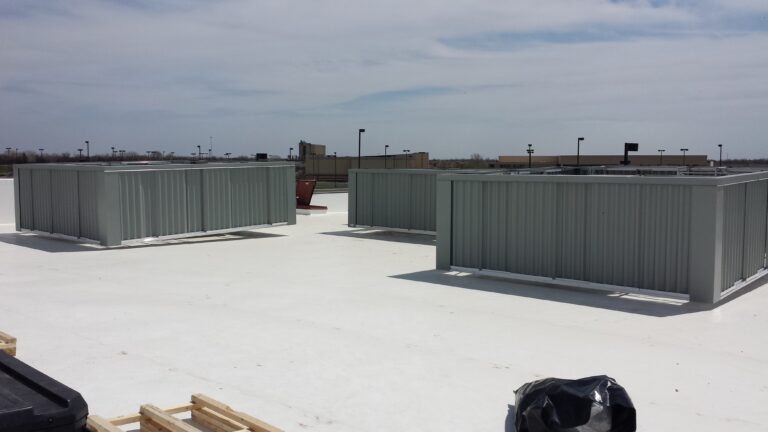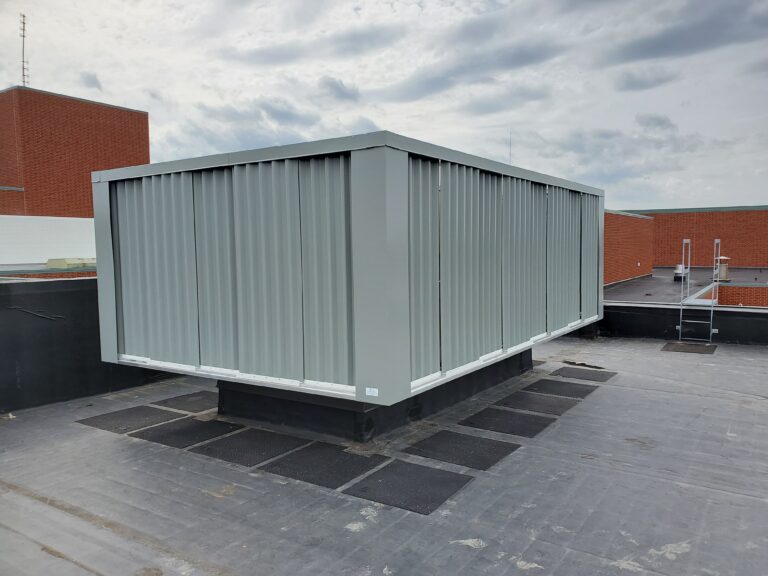

Commercial rooftops are no longer just mechanical zones. They are visible elements of a building’s profile. For architects and HVAC designers, choosing the best rooftop screen systems can mean the difference between code violations and seamless integration. But not all systems are built the same.
Some are simple in appearance but complex during installation. Others promise airflow but obstruct service access. The smartest projects are the ones that plan ahead, choose materials carefully, and partner with the right provider.
Why Rooftop Screen Selection Matters
Screening rooftop equipment does more than check a box for code compliance. It enhances aesthetics, protects mechanical units, and provides safety for rooftop personnel. In commercial projects where rooftop visibility is high, systems must meet architectural standards while functioning effectively.
Working with a supplier like North American Enclosures helps project teams bridge design intent with technical performance. Our systems integrate with a wide range of roofing conditions, curb types, and mechanical layouts.
Key Features of the Best Rooftop Screen Systems
When comparing options, the best rooftop screen systems typically offer:
- Modular construction that adapts to different site conditions
- Lightweight framing that installs without additional structural retrofits
- Compatibility with common roof curbing and penetrations
- Integrated louvers or perforated panels for airflow
- Fast access for maintenance without tool-dependent disassembly
Some systems use slide-mounted or track-based panels, while others rely on structural beams that require roof penetration. Each has trade-offs, and understanding them is critical.
Installation Flexibility and Design Adaptability
The best systems adjust to rooftop realities. Mechanical units vary in shape, spacing, and elevation. Good screen systems offer flexibility when it comes to mounting or attachment methods. They allow for staggered panel layouts and accommodate angled curbs or sloped metal roofs.
Installation teams benefit from pre-assembled or clearly labeled parts. Fewer steps on the roof mean fewer risks. These advantages save labor and reduce the chance of error.
North American Enclosures ensures that every project includes detailed layout drawings, hardware kits, and installation guidance based on the specific conditions of the project.
Integration with Mechanical Equipment and Access
Screens must work with HVAC units, not against them. That means allowing for airflow, condensate drainage, electrical service clearance, and panel access.
Poorly chosen systems block technician access or restrict ventilation, leading to performance issues or code violations. The best systems solve these problems by planning for them up front. Sliding access panels that offer easy access without the use of tools are available features.
Code Compliance Without Overdesign
Every commercial screen must comply with wind load requirements and visibility restrictions. But not every project needs the same level of reinforcement or bulk.
Smart screen providers help teams right-size the system. Instead of overengineering or adding unnecessary complexity, they tailor screening solutions based on project geography, building height, and roof type.
We work closely with engineers and architects to meet these standards without overbuilding. This keeps projects efficient and cost-effective.
Comparing Hidden Variables
While competitor names aren’t mentioned here, their system traits are common in the industry. Some rely on complex beam support systems, adding structural coordination that slows progress. Others offer flexible panel access but require proprietary hardware and long lead times.
We balance these extremes by providing systems that ship quickly, install efficiently, and adapt to a variety of rooftop layouts. Our experience across industries allows us to anticipate the trade-offs and design around them.
Frequently Asked Questions
What is the best material for rooftop screening?
Aluminum or galvanized steel panels are preferred for their durability, weight, and weather resistance.
Do all screen systems require roof penetrations?
No. Some systems offer curb-mounted or unit-mounted options that avoid puncturing the roof membrane.
How do screens affect rooftop unit service?
Good screen systems allow easy access with sliding or removable panels and adequate clearance around equipment.
Are custom screen heights possible?
Yes. Most modular systems allow for panel height adjustments and can be tailored to equipment size.
Can I compare screen systems without seeing brand names?
Yes. Compare based on mounting method, airflow design, panel material, and installation complexity.
Making the Right Choice
Choosing the best rooftop screen system requires understanding the specific needs of the roof, the equipment, and the building’s design goals. North American Enclosures delivers solutions that match those variables without forcing you into one-size-fits-all compromises.
By staying focused on performance, adaptability, and ease of installation, your team can deliver results that satisfy both the engineering specs and the aesthetic vision. Better yet, you can do it all without chasing down multiple vendors or navigating a confusing product catalog.
North American Enclosures helps project teams plan smarter, install faster, and achieve code-compliant, visually integrated rooftop screening from the start.