
Designing a rooftop system is never just about what is functional. For HVAC designers and architects, it is also about what is code compliant, durable, and visually seamless. That is where rooftop equipment screens become essential. These screens deliver value across performance, protection, and design integration.
Whether you are specifying for new construction or a retrofit, screening rooftop equipment is now a standard in the industry. In many cities, it is required.
Why Rooftop Equipment Screens Are Code Driven and Client Expected
Regulations across North America often require mechanical rooftop units to be visually concealed. Building code rooftop screens are written into zoning laws and aesthetic ordinances.
For architects, that means rooftop screens are necessary to receive permit approval. Building codes in many municipalities specify that mechanical equipment must not be visible from ground level or nearby properties. These requirements are often enforced through zoning ordinances, rooftop visibility rules, or conditional design approvals during the planning phase. For HVAC engineers, the focus shifts to airflow, maintenance access, and roof penetrations.
Even in places where code does not mandate it, clients still expect roof screens that match façade materials or branding. Municipalities may also include screening requirements in design review board standards or building envelope guidelines, which can vary significantly depending on the jurisdiction.
Aesthetic Integration with Roof and Building Design
Even modular HVAC screens must fit the building’s overall design. Color, profile, and finish matter more than ever.
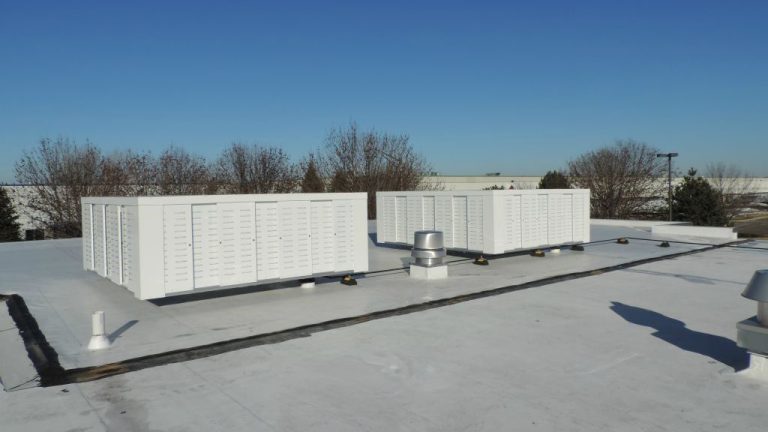
Architectural louvers, metal screen panels, and perforated metal panels allow airflow while keeping a consistent look. Perforated panel options offer tailored visual density. This lets architects balance concealment and transparency.
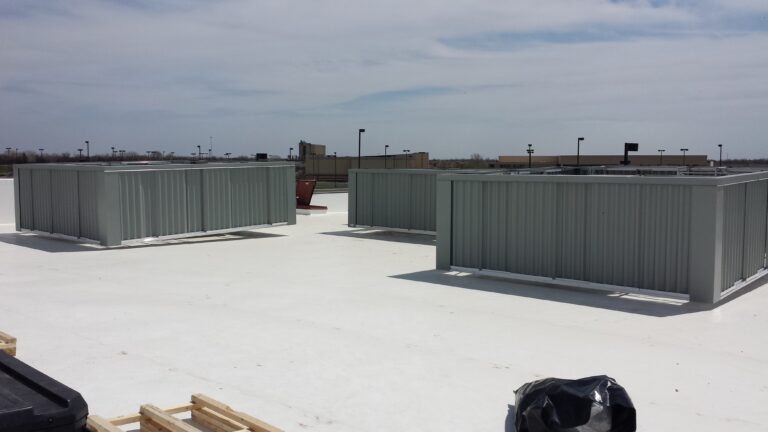
Aluminum louvers provide a clean finish and resist corrosion. Screening metal with custom powder coating supports durability. For projects using ribbed metal roofing, screens can be matched visually using compatible panel styles.
Supporting Efficient HVAC Design
Installation and Maintenance Access
Installation efficiency and long-term serviceability are critical when integrating rooftop equipment screens. Well-designed systems account for technician access, ventilation clearance, and safe panel removal. Hinged or removable screen sections provide direct access to HVAC units for routine inspection or emergency repairs.
Mounting hardware should align with roof curbs and penetrations to avoid interference with utility lines or support structures. During installation, clearly marked layout plans minimize confusion and reduce install times. Planning for maintenance also extends system life and reduces costs. Designs that accommodate real-world servicing improve both compliance and usability.
Rooftop equipment screens play a role in the HVAC design process. Manufacturers account for ventilation, clearance, and airflow.
Perforated steel panels help maintain cooling performance without blocking air intake. HVAC screen design also prevents wind turbulence.
Access for servicing units is critical. Some roofscreen systems include hinged doors or removable panels. Custom rooftop screening with adaptable framing helps the screen fit around adapter curbs, ductwork, and exhaust points.
Roof curbs and roof penetrations must be aligned with the screen framing. This avoids field modifications later in construction.
Materials and Performance
Material selection affects function and appearance. Metal screen assemblies, especially lightweight screening types, balance durability and ease of install.
Common materials include:
- Perforated metal panel systems
- Aluminum louver options
- Metal screening panels
Choosing a durable finish extends the life of rooftop screens, especially in areas with high sun exposure or harsh weather.
Perforated metal panels allow airflow while hiding equipment. This supports both cooling and design goals. Metal panel perforated options offer flexibility for custom aesthetics.
Structural Load and Engineering
Screen systems must work with roof curbing, roof penetrations, and equipment supports.
Key structural factors include:
- Wind compliance
- Load weight from metal screening panels
- Seismic needs based on location
Working with rtu screen manufacturers during design prevents install conflicts. Prefab rooftop screens are engineered for attachment to curbs or structural steel.
Roofing drawings should include screen loads. Lightweight screening systems lower deck stress and simplify timelines.
Prefabricated Screens Save Time
Many projects use prefab rooftop screens to reduce install time. Pre-engineered systems arrive ready with structural calculations and shop fabrication.
Using rooftop equipment screen suppliers that support architects with detailed drawings and finish options helps streamline planning.
Rooftop screen installation is faster when panels are modular. North American Enclosures supplies panels that reduce install errors and shorten timelines.
Cost and Return on Investment
Commercial rooftop screen cost varies by height, material, and labor rates. It ranges based on system type and location.
Key cost factors:
- Screen height
- Material choice such as aluminum louver or perforated panel
- Roof penetrations and curb quantity
A well designed rooftop screen system adds value. It reduces exposure, lowers maintenance, and increases visual appeal.
In some areas, rooftop screens count as architectural features and can help qualify for sustainability credits.
Choosing the Right Supplier
When selecting a manufacturer, look for:
- Experience with HVAC screen design
- Engineering support for roof penetration planning
- Custom sizing
- Code compliance
North American Enclosures supports architects with engineering, mounting options, and multiple material types. They also offer custom rooftop screening that fits with ducts, curbs, and rooftop systems.
Screen framing should work with roof curbs and penetrations. Early coordination helps avoid future changes.
Looking Ahead
The use of rooftop screens continues to grow. Urban growth and visual regulations drive the trend toward cleaner skylines.
New codes emphasize airflow, fire rated materials, and adaptability for solar or green roof elements.
Frequently Asked Questions
What are rooftop equipment screens used for?
They conceal and protect rooftop HVAC and electrical units while helping meet building code and visual requirements.
Are rooftop screens required by code?
Many cities require screens to hide rooftop equipment. Check with your local building department or project specifications.
What materials are best for rooftop screening?
Aluminum louvers and perforated metal panels are common. These materials allow airflow and resist corrosion.
Do rooftop screens affect HVAC airflow?
Properly designed screens allow ventilation. Perforated panels or louvers ensure airflow is not restricted.
How much do rooftop screens cost?
Costs vary based on height, materials, and project size. Request pricing based on your specific needs.
Can screens be customized for unique rooftop layouts?
Yes. Custom rooftop screening allows panels to fit around roof curbs, penetrations, and HVAC configurations.
Bringing It All Together
Rooftop equipment screens bring practical benefits that go beyond compliance. They help protect rooftop systems from environmental exposure and create a cleaner overall profile for commercial buildings. By incorporating screening early in the design process, architects and HVAC designers can align performance goals with visual appeal. This leads to smoother approvals, fewer onsite changes, and better long-term outcomes for the client.