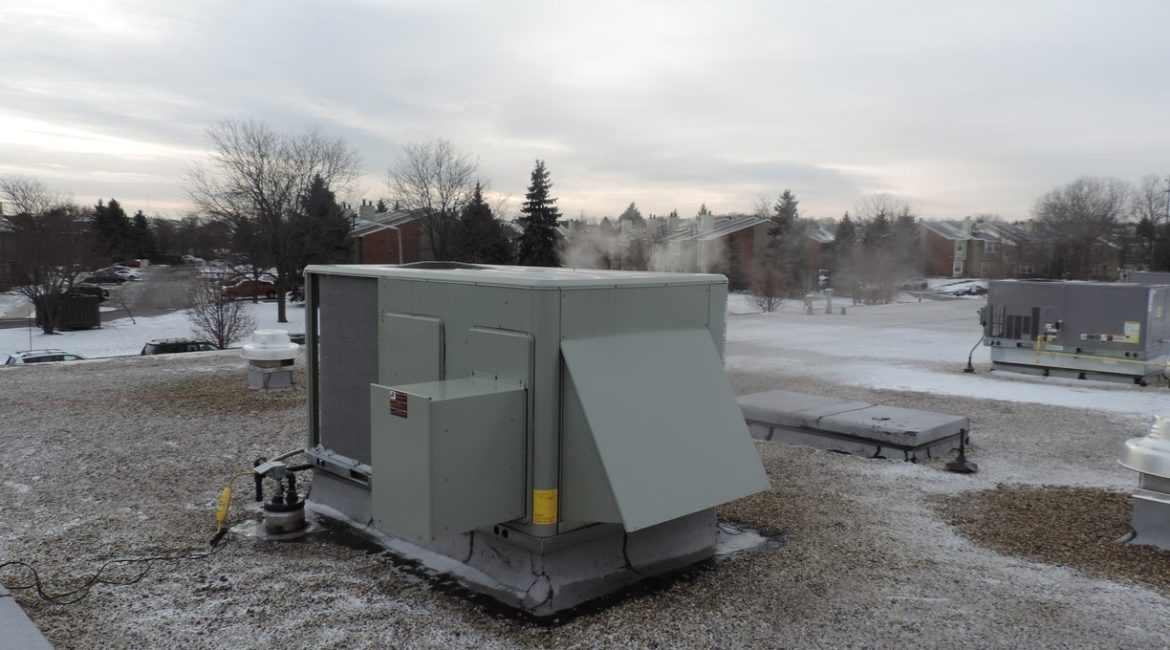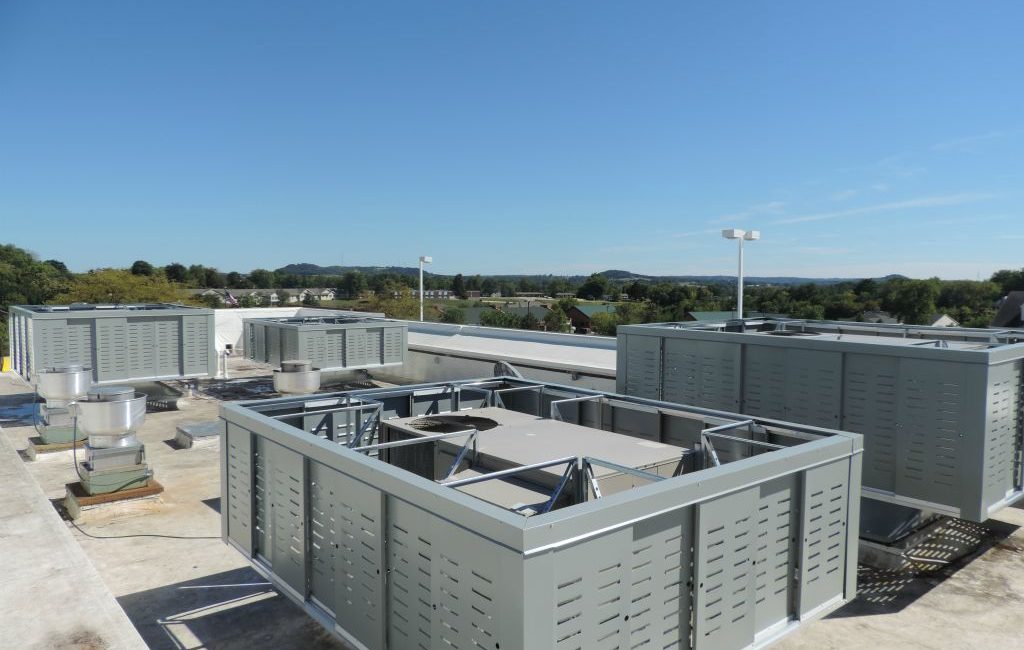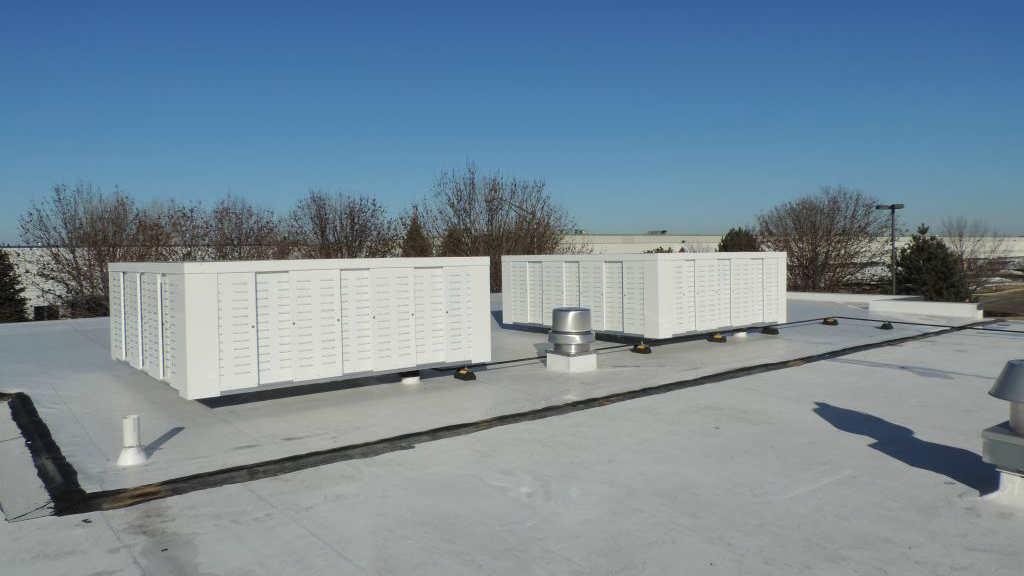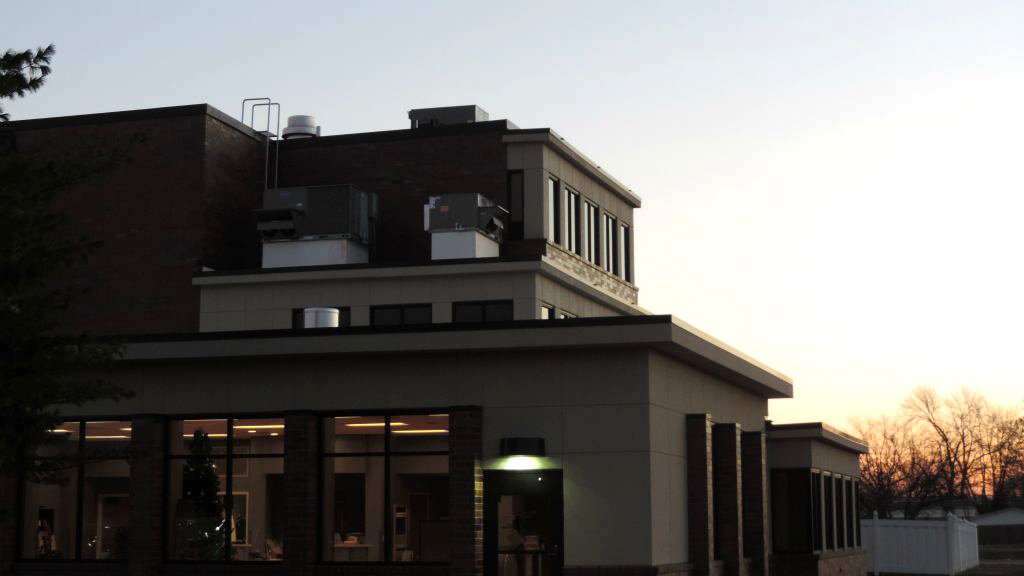
Why Screening Strategy Matters When people evaluate a commercial property, they rarely start on the roof. Yet rooftop mechanical equipment often shapes first impressions of surrounding buildings. Over time, cities tightened visual standards, and tenants began expecting cleaner architectural lines. As a result, rooftop equipment screens moved from optional upgrades to strategic design elements. ...

RTU Screens Explained: How to Properly Screen Rooftop HVAC Units
Why RTU Screens Matter for Commercial Buildings Rooftop HVAC equipment rarely attracts attention until someone points it out. Yet once you notice exposed units sitting above a clean facade, it often feels unfinished. Many municipalities require rooftop equipment screens for precisely that reason. Building owners who address screening early usually avoid friction...
How to Design Rooftop Screens That Pass Building Code Every Time
Rooftop screens are no longer optional in modern commercial construction. Municipal codes, zoning laws, and visibility restrictions are tightening. In some areas, failing to meet rooftop screen regulations can stall permits or delay inspections. The challenge? Many screens look code-compliant on paper but fail under real-world conditions. For architects, HVAC professionals, and mechanical...
What to Look For in the Best Rooftop Screen Systems
Commercial rooftops are no longer just mechanical zones. They are visible elements of a building's profile. For architects and HVAC designers, choosing the best rooftop screen systems can mean the difference between code violations and seamless integration. But not all systems are built the same. Some are simple in appearance...