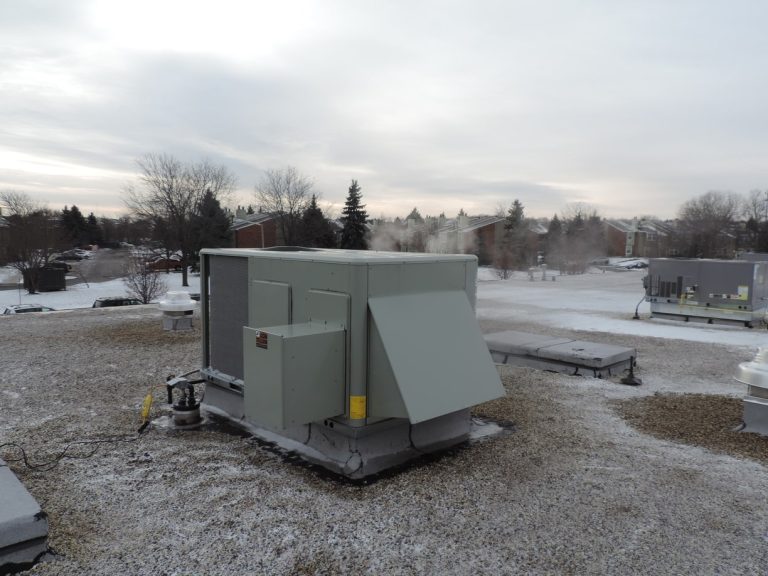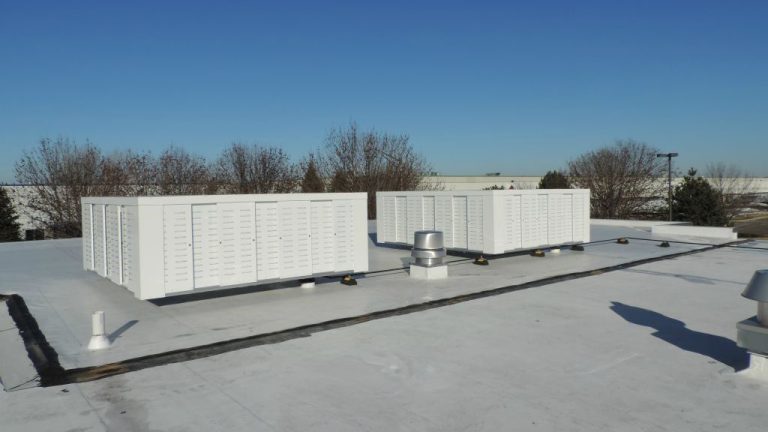

Rooftop screens are no longer optional in modern commercial construction. Municipal codes, zoning laws, and visibility restrictions are tightening. In some areas, failing to meet rooftop screen regulations can stall permits or delay inspections. The challenge? Many screens look code-compliant on paper but fail under real-world conditions.
For architects, HVAC professionals, and mechanical equipment suppliers, the goal is clear. You need rooftop screens that are structurally sound, code-approved, and visually integrated. North American Enclosures helps project teams plan, design, and install systems that meet all relevant codes without unnecessary overengineering.
Understanding Building Code Requirements for Rooftop Screens
Before selecting a system, you need to understand the regulatory landscape. Local jurisdictions often reference national codes but interpret them in their own way. That means what passes in Phoenix may not pass in Chicago.
In general, code requirements for rooftop screens fall into four major categories:
- Wind load resistance (per ASCE 7 standards)
- Material classification and long-term durability
- Visibility and aesthetic compliance
- Structural connection to curbs or framing
North American Enclosures helps project teams identify which codes apply based on building height, location, and equipment type. We also provide engineered drawings that meet documentation requirements during plan review.
Wind Load Compliance: More Than Just a Rating
Wind loading is the most scrutinized aspect of rooftop screen design. Building departments will require stamped calculations showing that your screen system can withstand regional wind speeds.
The best rooftop screen systems take this into account early. Modular panels, vertical supports, and attachment points must work together as a structural unit. Placement of screen walls in relation to rooftop units also affects wind exposure.
North American Enclosures ensures wind calculations are provided with every submittal. Our systems use structural-grade aluminum and steel designed to withstand uplift, shear, and lateral forces. The result is a code-ready solution that does not rely on field improvisation.
Material Selection and Long-Term Performance
Depending on your building classification and occupancy group, rooftop equipment screens must support safe access and long-term performance. That includes ensuring the system is durable, non-corrosive, and compatible with ongoing service needs.
Metal panel systems like those used by North American Enclosures offer inherent resistance to weathering and long-term exposure. Proper detailing is included in shop drawings to support rooftop access for service and maintenance without creating inspection surprises.
Choosing high-quality materials protects both your team and the occupants below.
Setbacks, Heights, and Visibility Rules
Some cities require rooftop equipment to be fully concealed from street level. Others enforce height limitations relative to parapet walls or overall building height. Still others require specific screening materials or finishes to match façade elements.
North American Enclosures provides tailored panel height configurations that match visibility and setback rules for each municipality. Our team reviews city ordinances before recommending screen geometry or layout. This ensures the installed screen meets code without excess material or unnecessary cost.
Common Causes of Rejection in Plan Review
Many rooftop screen systems fail inspection not because of poor construction but due to poor planning. Here are common rejection points:
- Incomplete wind load calculations or missing engineer stamps
- Use of unclassified or non-approved materials
- Incorrect panel height relative to rooftop unit elevation
- Lack of documentation for fastener pull-out resistance
North American Enclosures eliminates these risks by delivering sealed calculation packages, clear submittals, and pre-engineered systems with proven performance. Installers receive support materials that align with what was submitted, avoiding jobsite confusion or failed inspections.
Pre-Engineered vs Field-Fabricated Systems
Some contractors attempt to build screens in the field using miscellaneous metals and local fabrication shops. While this may seem cost-effective, it often leads to code failures.
Pre-engineered systems like those provided by North American Enclosures are tested, verified, and reviewed by structural engineers. They arrive with mounting hardware, load-tested connections, and clear instructions. This dramatically reduces risk and saves time during installation.
Compatible with All Major Roof Types
Rooftop screens must work with existing roof curbs, mechanical units, and waterproofing assemblies. Systems that require custom adapters or structural steel reinforcements are harder to permit.
North American Enclosures supplies mounting options for:
- Standing seam and ribbed metal roofing
- Built-up roofing (BUR) and membrane systems
- Adapter curbs and RTU platforms
- Aluminum or galvanized roof curbs
Every installation includes flashing details and sealant diagrams to maintain the roof warranty.
Flexibility for Real-World Site Conditions
The best systems adjust to rooftop realities. Mechanical units vary in shape, spacing, and elevation. Good screen systems offer flexibility when it comes to mounting or attachment methods.
Installation teams benefit from pre-assembled or clearly labeled parts. Fewer steps on the roof mean fewer risks. These advantages save labor and reduce the chance of error.
North American Enclosures ensures that every project includes detailed layout drawings, hardware kits, and installation guidance based on the specific conditions of the project.
Access for Service and Maintenance
Screens must work with HVAC units, not against them. That means allowing for airflow, condensate drainage, electrical service clearance, and panel access.
Poorly chosen systems block technician access or restrict ventilation, leading to performance issues or code violations. The best systems solve these problems by planning for them up front. Sliding access panels that offer easy access without the use of tools are available features.
Hidden Risks in Competitor Systems
Some systems on the market appear flexible but rely on proprietary parts or design assumptions that do not hold up in permitting. Others offer low-cost options that fail under high wind loads or documentation review.
North American Enclosures avoids these issues by adhering strictly to code from the outset. Our systems meet national standards and can be tailored for city-specific interpretations. You do not need to compromise on design to meet compliance.
Frequently Asked Questions
Do rooftop screen systems need to be engineered?
Yes. Most jurisdictions require structural calculations and an engineer’s stamp to verify wind load compliance.
Can I use wood or composite panels for rooftop screening?
Rarely. Combustible materials often do not meet code expectations and may be rejected by plan reviewers.
What if my mechanical units vary in height?
North American Enclosures provides panel height options and modular designs that can adjust to changing elevations.
Are finishes important to building inspectors?
Yes. Some codes require UV- and fade-resistant finishes like AAMA 2605 powder coating.
What is the most common code violation for rooftop screens?
Missing or incorrect wind load documentation is the top reason screens are rejected during review.
Do all screen systems require roof penetrations?
No. Some systems offer curb-mounted or unit-mounted options that avoid puncturing the roof membrane.
Build It Right the First Time
Designing rooftop screens to meet building code is not just about compliance. It is about avoiding costly revisions, jobsite delays, and safety risks. With North American Enclosures, your project stays on track and your rooftop screening works as expected.
Our team coordinates with engineers, designers, and installers to ensure every screen system is ready for review and approved on the first pass. You do not need to guess or gamble. You need a system that works.
When it comes to building code rooftop screens, design with certainty. Build with confidence. Partner with North American Enclosures.