
When it comes to commercial construction, few elements get overlooked as often as rooftop screens. Yet their role is critical. For architects and HVAC designers, proper equipment screen installation ensures both visual harmony and compliance. For equipment manufacturers, the screens protect units from exposure while maintaining serviceability.
Installation is not just the final step. It is a make-or-break phase where planning, materials, and structural coordination all come together. Getting it right means fewer delays, lower costs, and a smoother handoff.
Preparing for Equipment Screen Installation
Most municipalities have screening requirements tied to zoning or aesthetic codes. Permits may require proof of visibility reduction, structural calculations, or integration with existing roof systems. Confirming these details during planning ensures that installation passes inspection without delays.
Before a single bracket is bolted down, project teams must plan thoroughly. That starts with the rooftop layout. Knowing where HVAC units will sit, how tall they are, and how much clearance they need makes all the difference.
Key steps include reviewing roofing drawings, identifying roof penetrations and curbs, checking wind load requirements, and ensuring equipment access.
All parties involved in the project, including mechanical, structural, and architectural teams, need to coordinate early. Installation will fail if the screen layout conflicts with ducting, vents, or adapter curbs. Delays in screening can hold up final inspections.
Choosing Materials and Structural Supports
North American Enclosures provides rooftop screening solutions that streamline both design and installation. As a supplier of engineered screening systems, we work with manufacturers whose products meet high standards for quality, structural integrity, and visual performance. Project teams working with North American Enclosures benefit from coordinated access to shop drawings, mounting hardware, and prefabricated screens that reduce coordination issues and simplify installation in the field.
Material choice affects both performance and install time. Perforated metal panels, architectural screens, and lightweight aluminum frames are commonly used.
These options offer corrosion resistance and airflow. Metal screen panels and perforated panel designs are popular for visual integration. Choose based on environmental demands and project budget.
Framing matters too. Installers typically anchor screens to roof curbs, structural steel, or reinforced parapets, depending on rooftop layout.
Never attach screens to unsupported roof sections or through insulation without proper blocking. Use hardware supplied by rooftop equipment screen suppliers to ensure compatibility.
Installation Tools and Requirements
A successful equipment screen installation depends on having the right tools and prep. That includes:
Tools:
- Cordless drill/driver
- Tape measure and laser level
- Roofing sealant and flashing
- Safety harnesses and roof access ladders
Materials:
- Prefab screen kits
- Brackets, anchors, and fasteners
- Sealant for weatherproofing
Work with rooftop screen installation specialists or trained contractors. This avoids missteps that can cause leaks or fail inspections.
Step-by-Step Installation Workflow
Every rooftop is unique, but most commercial rooftop screen systems follow a practical sequence based on manufacturer recommendations. Installation typically begins by marking and aligning attachment points on structural elements such as roof curbs or parapets. The support posts are then secured and checked for plumb.
Once uprights are in place, cross-members or horizontal rails are installed to form a stable framing system. Panels—whether screens or perforated metal—are mounted onto the frame, generally in the order prescribed by the manufacturer. Each system may vary slightly.
Roof penetrations are then sealed using proper flashing and waterproofing methods to protect the building envelope. All fasteners and joints must be inspected for tightness and structural integrity.
Finally, the installer verifies that there is sufficient clearance around HVAC units for ongoing maintenance and unobstructed airflow. These checks help prevent access limitations or operational disruptions later on.
Avoiding Installation Pitfalls
Common errors include misaligned brackets, skipped sealant at penetrations, incorrect fasteners, or blocking HVAC air intake.
Avoid these issues by using a layout plan provided by HVAC screen contractors or system manufacturers. Conduct a pre-install meeting to walk through the rooftop before lifting materials.
Integrating Screens with Rooftop Systems
Today’s commercial rooftops are packed. Screens must wrap around rooftop systems, curbs, and vents without interfering.
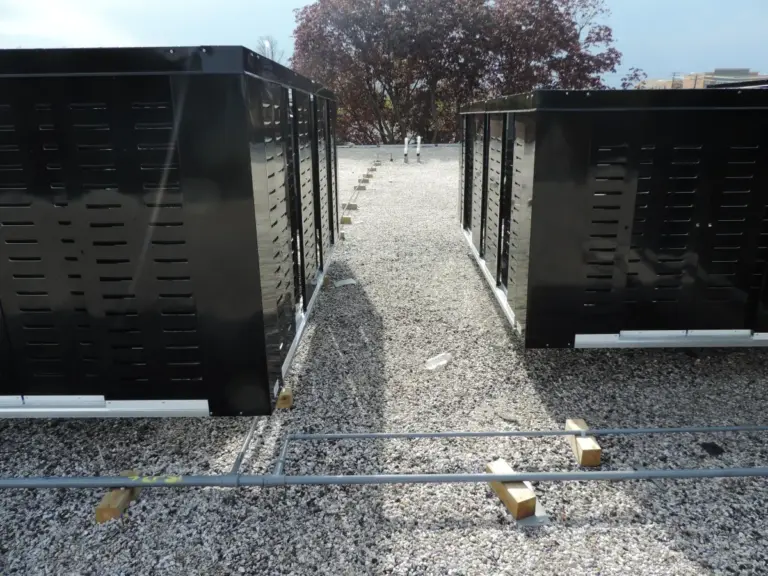
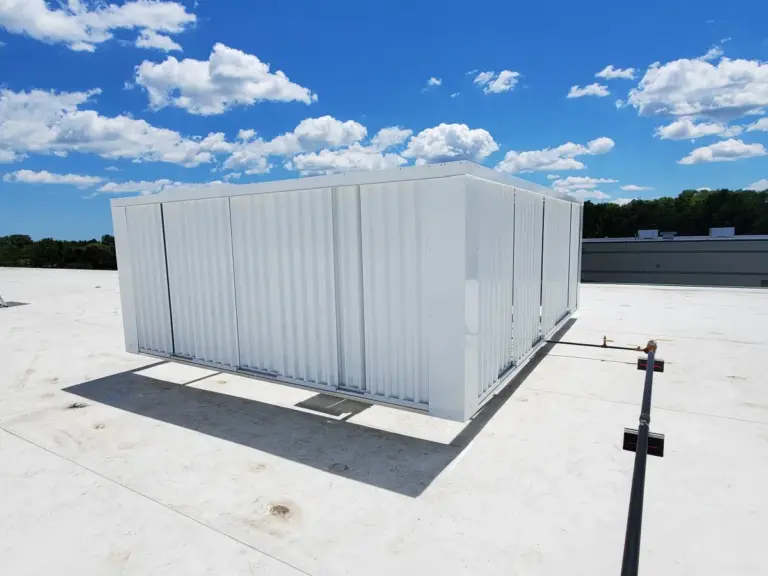
Roof curbing must be properly flashed and load-rated to carry any attached screening. Screens should align with roof penetrations, provide service clearances, and include sliding access panels that offer easy access without the use of tools when needed.
For ribbed metal roofing, special base brackets may be required to ensure secure attachment. Screens must flex to accommodate slope and seam locations.
Planning for Long-Term Maintenance
Good installs plan ahead. That means thinking past day one. Screens must allow service access, avoid blocking drainage or safety lines, and follow a modular layout for easy changes.
Work with custom rooftop screening providers who offer design support and layout drawings. This ensures your installation is efficient now and adaptable later.
Frequently Asked Questions
Do I need engineering for rooftop screen systems?
Yes. Most cities require stamped drawings showing wind compliance and structural integrity.
How long does it take to install prefab screens?
Most standard installs take 1 to 3 days depending on site conditions and number of units.
Can I install screens on a sloped or ribbed roof?
Yes, but you may need custom brackets or curbs designed for your roofing type.
What should I use to seal roof penetrations?
Use compatible flashing materials and roofing-approved sealant. Follow manufacturer guidelines.
Do I need screens for every rooftop unit?
Some codes require full perimeter screening for any visible equipment. Check local regulations.
Bringing It All Together
North American Enclosures serves as the central point of coordination for rooftop screen system planning, layout optimization, and material delivery. Our experience ensures that installation teams receive accurate documentation and compatible hardware, helping reduce on-site challenges and meet project deadlines more efficiently.
In addition to meeting structural and service demands, screens should enhance the visual integrity of the building, blending with facade materials or repeating architectural lines.
Installation is where design becomes real. A well-executed equipment screen installation supports long-term building performance and regulatory success. For HVAC designers, architects, and equipment suppliers, planning and coordination are what separate smooth installs from costly mistakes.
When screens are installed correctly, they protect, conceal, and elevate the look of the entire rooftop system while preserving equipment access and maintaining proper airflow.